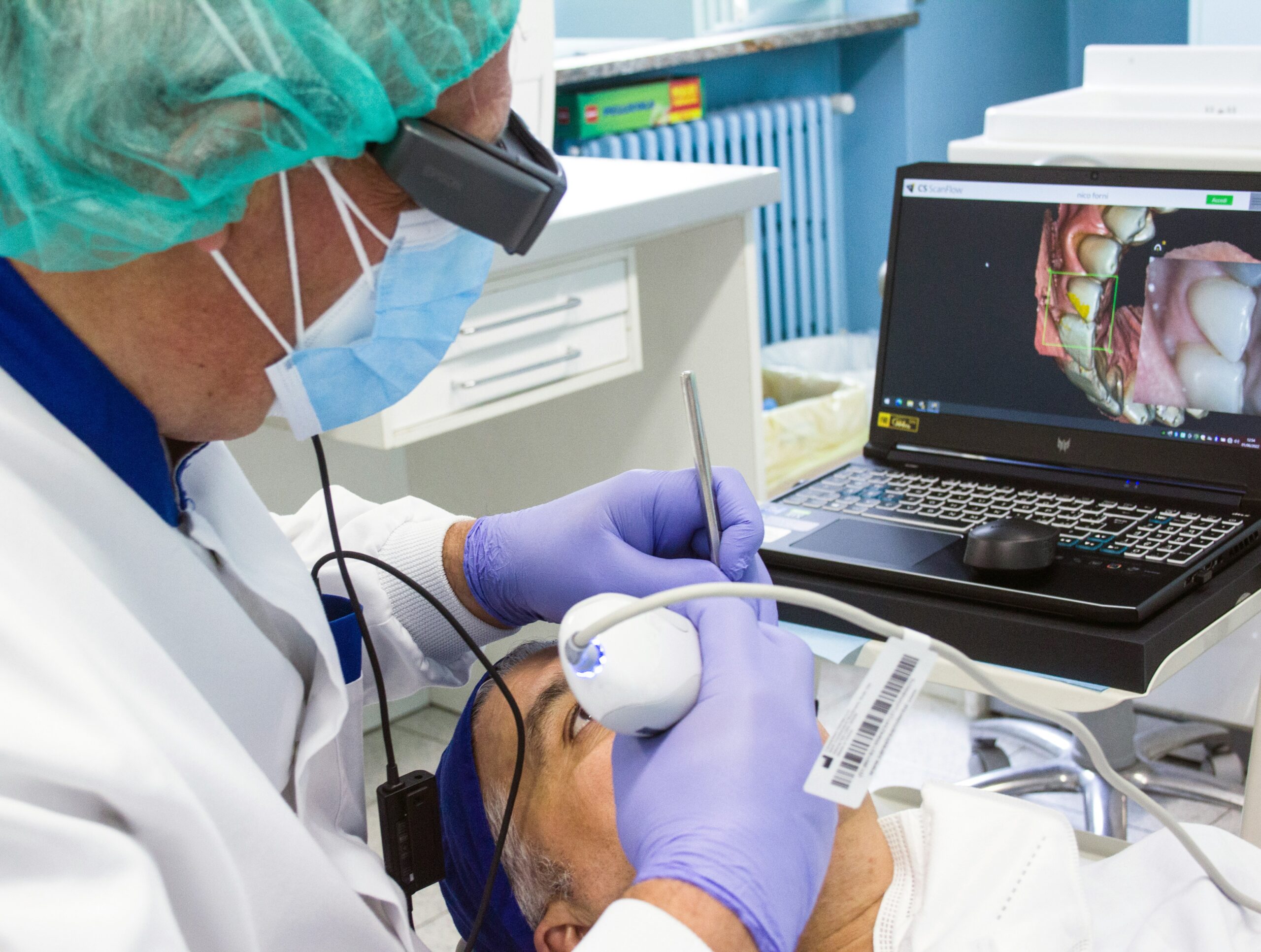
Medical technology continues to reshape healthcare, and many providers now see it as essential rather than optional. From improving patient outcomes to streamlining daily workflows, the right tools can elevate how you deliver care. However, adopting new technology can feel overwhelming, especially when budgets, training, and patient expectations all come into play. The good news is that incorporating medical technology does not have to be complicated when you follow a clear, thoughtful approach.
This guide walks you through incorporating medical technology into your practice, step by step. Along the way, you will learn how to choose the right tools, prepare your team, and ensure long-term success. Most importantly, you will see how technology can support better care while strengthening patient trust and satisfaction.
Understanding Why Medical Technology Matters
Medical technology improves how providers diagnose, treat, and monitor patients. When used correctly, it supports faster decision-making and more personalized care. For example, digital records reduce paperwork, while remote monitoring tools help catch issues before they escalate. As a result, both providers and patients benefit from smoother, safer care experiences.
At the same time, patient expectations continue to rise. Many patients now expect online scheduling, digital communication, and easy access to health information. Therefore, incorporating modern technology helps your practice stay competitive while meeting these expectations. When technology aligns with your goals, it becomes a powerful extension of your clinical expertise.
Evaluating Your Practice Needs First
Before investing in new tools, take time to assess your current workflow. Look closely at where delays, errors, or frustrations occur. For instance, you may notice scheduling bottlenecks, slow documentation, or limited patient follow-up. By identifying these gaps, you can choose technology that solves real problems instead of adding complexity.
In addition, involve your staff in this evaluation process. Nurses, administrators, and clinicians often have valuable insights into daily challenges. When your team feels heard, they are more likely to support future changes. This step ensures that technology serves your practice rather than forcing your practice to adapt unnecessarily.
Setting Clear Goals for Technology Adoption
Once you understand your needs, define clear and realistic goals. You could improve patient communication, reduce administrative workload, or enhance diagnostic accuracy. Clear goals guide your decisions and help measure success later. Without them, technology adoption can feel unfocused and frustrating.
Moreover, align these goals with your long-term vision. If your practice plans to grow, scalable solutions matter more than short-term fixes. By keeping both immediate and future needs in mind, you create a technology strategy that evolves with your practice instead of limiting it.
Choosing the Right Medical Technology Tools
Selecting the right tools requires balancing functionality, ease of use, and cost. Focus on solutions that integrate well with your existing systems, especially electronic health records. Seamless integration reduces duplicate work and minimizes errors. As a result, your team can focus more on patient care.
Also, prioritize user-friendly platforms. Complex systems often lead to resistance and mistakes. When technology feels intuitive, staff adoption improves naturally. Consider requesting demos or trial periods to test usability before committing. This step reduces risk and builds confidence in your decision.
Ensuring Compliance and Data Security
As you incorporate medical technology, data security must remain a top priority. Healthcare practices handle sensitive patient information, so compliance with regulations like HIPAA is essential. Secure systems protect both your patients and your reputation.
In addition, educate your staff on proper data handling. Even the best technology cannot prevent breaches if users lack training. Strong passwords, secure access protocols, and regular updates all contribute to safer systems. By building security into your process early, you avoid costly issues later.
Training Your Team for Success
Technology adoption succeeds when your team feels confident using new tools. Provide hands-on training sessions that match different learning styles. Some staff may prefer live demonstrations, while others benefit from written guides or short videos. Offering multiple options ensures everyone stays engaged.
Furthermore, allow time for adjustment. Productivity may dip briefly as staff learn new systems, and that is normal. Encourage open communication and feedback during this phase. When team members know support is available, they adapt more quickly and develop trust in the technology.
Introducing Technology Gradually
Instead of changing everything at once, roll out technology in phases. A gradual approach reduces disruption and allows your team to adjust comfortably. For example, start with digital scheduling before introducing remote patient monitoring. Each success builds momentum for the next step.
Additionally, phased implementation helps identify issues early. If something does not work as expected, you can adjust without affecting your entire operation. This flexible approach keeps stress levels lower and increases long-term success.
Engaging Patients with New Technology
Patient engagement plays a key role in successful technology adoption. Explain how new tools benefit them, such as faster communication or easier access to records. When patients understand the value, they are more likely to participate actively.
Also, offer simple guidance to help patients use new systems. Short instructions, friendly reminders, and staff support make a big difference. As patients grow comfortable with technology, they often feel more connected to your practice and more involved in their care.
Measuring Results and Making Improvements
After implementation, track how technology impacts your practice. Look at metrics like appointment efficiency, patient satisfaction, and staff workload. These insights show whether you are meeting your original goals.
At the same time, remain open to adjustments. Technology evolves quickly, and ongoing improvement keeps your practice current. Regular check-ins with staff and patients help identify areas for refinement. By treating technology as an ongoing process rather than a one-time change, you maintain momentum and value.
Planning for the Future of Medical Technology
Medical technology will continue to advance, and practices that plan stay more resilient. Keep an eye on emerging trends like artificial intelligence, remote diagnostics, and predictive analytics. While you may not adopt everything immediately, awareness helps guide smarter decisions.
In addition, budget for updates and training as part of routine operations. When technology is treated as a planned investment rather than an emergency expense, adoption feels less stressful. Forward-thinking practices position themselves to adapt smoothly as healthcare continues to evolve.
Building Confidence Through Smart Adoption
Incorporating medical technology into your practice does not require perfection. Instead, it requires thoughtful planning, clear goals, and open communication. When you approach adoption step by step, technology becomes a supportive partner rather than a burden.
Ultimately, the right medical technology enhances how you care for patients while strengthening your practice. By focusing on usability, security, and engagement, you create an environment where both staff and patients thrive. With a clear strategy in place, your practice can confidently move forward in an increasingly digital healthcare world.