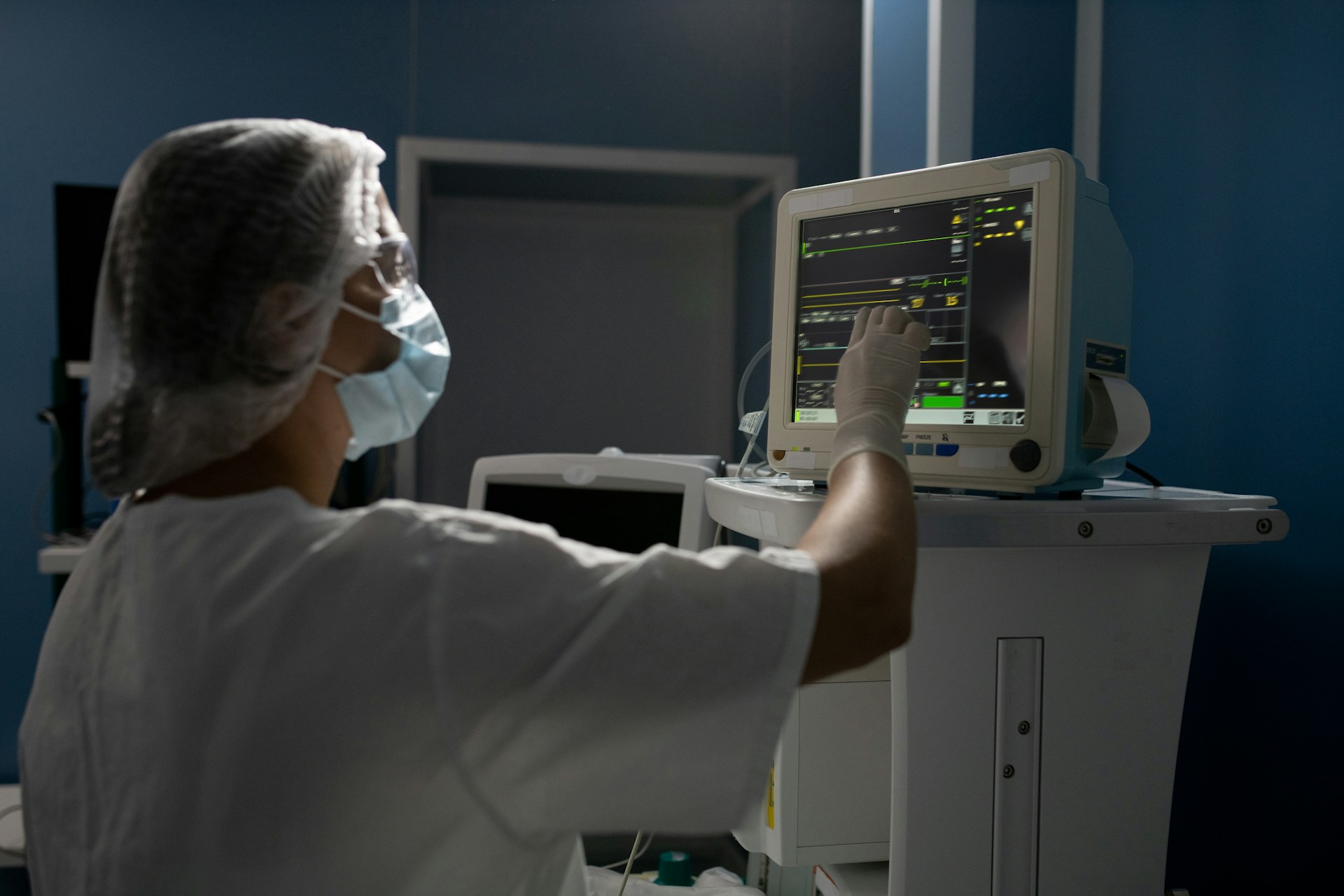
Healthcare is advancing at an unprecedented pace, and innovation is now at the core of modern medical practice. For clinicians, nurses, technicians, and healthcare leaders, understanding medical technologies in healthcare is no longer optional. These technologies are shaping how diseases are diagnosed, how treatments are delivered, and how patients experience care. Staying informed allows healthcare professionals to improve outcomes, reduce errors, and adapt to a system that is becoming increasingly digital and patient-centered.
Medical technologies in healthcare support faster decision-making, enhance accuracy, and improve communication between patients and providers. As healthcare systems worldwide embrace digital transformation, professionals who understand and adopt these innovations gain a significant advantage in delivering safe, effective, and high-quality care.
Artificial Intelligence Transforming Medical Decision Making
Artificial intelligence has emerged as one of the most influential medical technologies in healthcare, offering powerful tools to support clinical decision-making. By processing massive volumes of health data, artificial intelligence systems help identify patterns that would be difficult for humans to detect alone. This technology supports clinicians in making more informed, data-driven decisions.
In diagnostic imaging, artificial intelligence assists in analyzing scans and identifying abnormalities such as tumors, fractures, or internal conditions. These systems improve diagnostic accuracy and reduce the risk of missed findings. In addition, artificial intelligence supports clinical documentation by automating routine tasks, allowing healthcare professionals to focus more on patient interaction and care quality.
Predictive analytics powered by artificial intelligence also play a crucial role in preventive care. By analyzing patient histories and real-time data, these systems can identify individuals at risk of complications and suggest early interventions. For healthcare professionals, understanding artificial intelligence is essential for using these tools responsibly and integrating them into daily practice.
Telemedicine Enhancing Access and Continuity of Care
Telemedicine has become a cornerstone of medical technologies in healthcare, redefining how professionals interact with patients. Virtual care platforms allow clinicians to provide consultations, follow-ups, and assessments without requiring physical visits. This approach improves access to healthcare services, particularly for patients in remote or underserved areas.
Telemedicine supports continuity of care by making it easier for patients to stay connected with their healthcare providers. Professionals can monitor progress, adjust treatment plans, and address concerns in a timely manner. This technology also reduces the strain on healthcare facilities by minimizing unnecessary in-person visits while maintaining high standards of care.
Remote patient monitoring further strengthens telemedicine by enabling continuous observation of patient health indicators. Wearable sensors and connected devices transmit vital data directly to healthcare teams, allowing early detection of potential issues. For healthcare professionals, telemedicine represents a shift toward proactive and preventive care models that improve outcomes and patient satisfaction.
Robotics and Automation Improving Precision and Efficiency
Robotics and automation are redefining efficiency and precision within medical technologies in healthcare. Robotic systems are widely used in surgical settings, where they enhance control, accuracy, and visualization during complex procedures. These systems support minimally invasive approaches that reduce recovery time and improve patient comfort.
Healthcare professionals benefit from robotic assistance through improved ergonomics and reduced physical strain. Precision tools allow surgeons to perform delicate procedures with greater consistency, leading to better clinical outcomes. As robotic systems become more advanced, their role in surgical and procedural care continues to expand.
Automation also plays a vital role outside the operating room. Automated systems support medication management, laboratory processes, and hospital logistics. By reducing manual errors and streamlining workflows, automation allows healthcare professionals to dedicate more time to patient-centered activities and critical decision-making.
Wearable Technology and Connected Health Systems
Wearable devices and connected health systems are rapidly growing medical technologies in healthcare, offering continuous insight into patient health. These technologies collect real-time data related to physical activity, heart rhythm, sleep patterns, and other vital indicators. The ability to monitor patients beyond clinical environments provides a more complete picture of overall health.
For healthcare professionals, wearable technology supports early intervention and personalized care planning. Continuous data allows clinicians to identify changes in patient conditions before they escalate into serious issues. This approach is particularly valuable in managing chronic conditions and supporting long-term health goals.
Connected health systems also encourage patients to engage actively in their own care. By sharing data with healthcare providers, patients become partners in the treatment process. Professionals who understand how to interpret and apply wearable data can deliver more informed, preventive, and personalized healthcare services.
Advanced Manufacturing Supporting Personalized Medicine
Advanced manufacturing techniques are reshaping personalized care within medical technologies in healthcare. Customized medical solutions such as patient-specific implants, prosthetics, and anatomical models are becoming increasingly common in clinical practice. These technologies allow treatments to be tailored precisely to individual patient needs.
Healthcare professionals use customized models to plan complex procedures and improve surgical accuracy. Personalized medical devices enhance comfort, functionality, and long-term outcomes for patients. In addition, advanced manufacturing supports medical education by providing realistic training tools that improve clinical skills and confidence.
As accessibility improves, personalized manufacturing will continue to expand its role in healthcare. Professionals who understand these technologies will be better prepared to deliver individualized treatment and adapt to evolving standards of care.
Why Medical Technologies in Healthcare Matter for Professionals
Medical technologies in healthcare are transforming every aspect of clinical practice, from diagnosis to recovery. Professionals who stay informed about these innovations are better equipped to improve patient outcomes, reduce risks, and enhance efficiency. Technology is no longer an add-on but a core component of modern healthcare delivery.
Adapting to medical technologies in healthcare also supports professional growth. As healthcare systems evolve, employers increasingly value professionals who are comfortable with digital tools and innovative solutions. Embracing technology strengthens collaboration, improves patient trust, and supports a more resilient healthcare system.
Embracing the Future of Medical Technologies in Healthcare
The future of healthcare depends on how effectively professionals integrate innovation into daily practice. Medical technologies in healthcare are enabling smarter decisions, more personalized treatments, and improved patient experiences. These tools empower professionals to move beyond reactive care and toward proactive, preventive models.
By understanding and embracing medical technologies in healthcare, professionals position themselves at the forefront of progress. Continuous learning and adaptation ensure that healthcare remains compassionate, efficient, and effective in meeting the needs of patients in an ever-changing world.