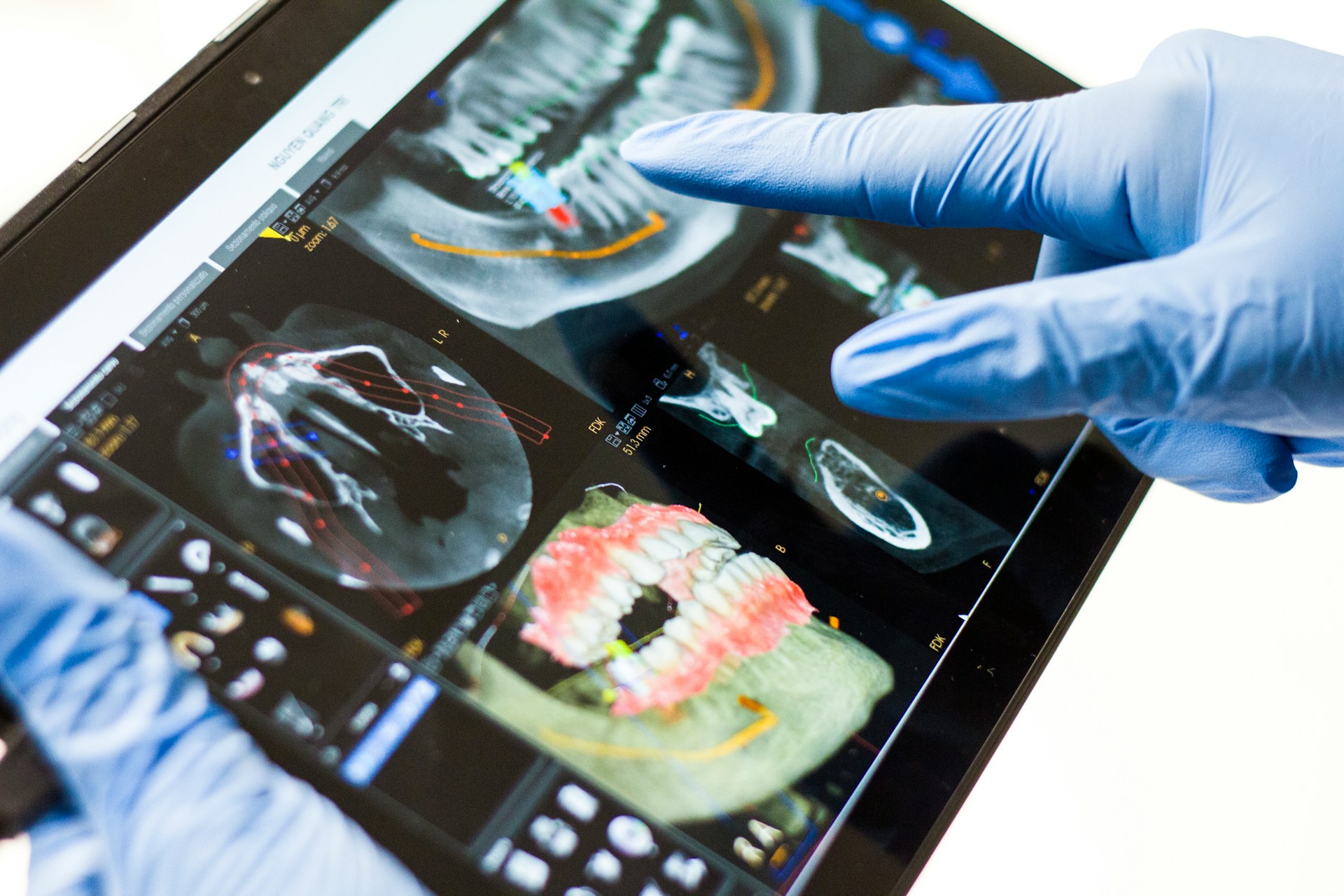
Healthcare technology is advancing faster than ever, and medical practices that adapt thoughtfully gain a clear advantage. From digital records to AI-powered tools, technology now influences nearly every part of patient care. Still, many providers hesitate because they fear disruption, high costs, or steep learning curves. The truth is that you can incorporate the latest medical technology into your practice practically and steadily. When done right, technology improves efficiency, strengthens patient relationships, and supports better clinical outcomes.
Why Modern Medical Technology Is No Longer Optional
Patients today expect convenience, transparency, and timely care. At the same time, providers manage growing workloads, staffing challenges, and complex regulations. Medical technology helps balance these pressures.
For example, digital tools reduce repetitive tasks and improve accuracy. Automated systems handle scheduling, reminders, and documentation. As a result, staff gain more time for patient interaction. Technology also supports faster diagnosis and better follow-up, which improves trust and satisfaction.
When practices delay adoption, they risk falling behind patient expectations and operational efficiency. Therefore, embracing technology is not just about innovation; it is about sustainability.
Evaluating Your Practice Before Making Technology Decisions
Before adopting any new tool, take a close look at how your practice operates today. This step prevents costly mistakes and ensures meaningful results.
Start by identifying bottlenecks. Are appointment delays common? Do patients struggle to reach staff by phone? Is documentation slowing providers down? Patient feedback often clearly highlights these issues.
Once you understand your challenges, define clear goals. For example, reduce no-shows, improve follow-up care, or streamline billing. Technology should support these goals directly. This focused approach keeps decisions practical and cost-effective.
Staying Updated Without Chasing Every Trend
Medical technology evolves quickly, but not every new tool fits every practice. Instead of chasing trends, focus on technologies with proven value.
Professional medical associations, trusted journals, and industry conferences provide reliable insights. In addition, peer discussions often reveal real-world experiences. Learning from colleagues who already use specific tools can save time and reduce risk.
Vendor demonstrations also help. Many providers offer trial periods that let you test usability and support. Before committing, evaluate how the technology fits daily workflows and patient needs.
Selecting Technology That Supports Your Workflow
One of the most common challenges in technology adoption is poor integration. Systems that do not work together create frustration and inefficiency.
Choose tools that integrate smoothly with your existing electronic health records, billing platforms, and scheduling systems. Seamless integration reduces duplicate data entry and errors. It also shortens training time and improves staff acceptance.
Ask vendors detailed questions about compatibility, updates, and scalability. Technology should adapt as your practice grows, not limit future options.
Preparing Your Team for Technology Adoption
Even the best technology fails without staff support. Successful adoption depends on preparation, communication, and training.
Begin by explaining why the technology matters. When staff understand how it reduces workload or improves patient care, they feel more motivated. Next, provide hands-on training that focuses on real tasks rather than theory.
Encourage questions and feedback throughout the process. Appointing a technology lead can also help. This person acts as a support resource and communicates with vendors. As a result, staff feel supported rather than overwhelmed.
Rolling Out New Technology in Phases
Introducing multiple systems at once often causes stress and confusion. A phased rollout works far better.
Start with one tool that addresses a clear need, such as online scheduling or digital intake forms. Allow time for adjustment and feedback. Once staff feel comfortable, introduce the next solution.
This gradual approach builds confidence and reduces resistance. Over time, technology becomes a natural part of daily operations rather than a disruption.
Using Technology to Improve Patient Engagement
One of the most substantial benefits of modern healthcare technology is improved patient engagement. Digital tools make care more accessible, transparent, and responsive.
Online appointment booking saves time for both patients and staff. Automated reminders reduce missed visits. Patient portals allow secure messaging, prescription requests, and access to records. These features strengthen communication and trust.
Telehealth also plays a growing role. Virtual visits support follow-ups, chronic care management, and patient education. For many patients, this flexibility improves adherence and satisfaction.
Leveraging Data to Support Better Care Decisions
Technology generates valuable data that supports informed decision-making. When used correctly, data improves both clinical outcomes and operations.
Analytics tools track patient trends, treatment effectiveness, and appointment patterns. For example, data may reveal peak hours or frequent cancellations. With this insight, you can adjust staffing and scheduling.
However, data only helps when it is easy to understand. Choose systems with clear dashboards and actionable insights. This ensures the data supports daily decisions rather than confusing them.
Ensuring Privacy and Compliance in a Digital Practice
As technology use grows, data security becomes even more critical. Patients trust practices to protect sensitive information, so privacy must remain a priority.
Select vendors that meet healthcare compliance standards and use strong encryption. Limit access based on roles and train staff on privacy best practices. Clear policies reduce accidental errors.
Regular system updates and audits also help maintain security. When patients feel confident about data protection, trust in your practice grows.
Measuring Success and Making Improvements
Technology adoption is not a one-time task. Ongoing evaluation ensures long-term value.
Set measurable goals before implementation, such as reduced wait times or improved follow-up rates. Review results regularly and compare them to expectations. If a tool underperforms, adjust workflows or explore alternatives.
Feedback from staff and patients also matters. Their experience highlights strengths and gaps that data may miss. This continuous improvement mindset keeps your practice adaptable.
Building a Practice Ready for the Future
Incorporating the latest medical technology into your practice does not require a drastic overnight change. Success comes from thoughtful planning, steady adoption, and ongoing evaluation.
When technology aligns with real needs and supports both staff and patients, it becomes a powerful partner. By taking an innovative and measured approach, you build a practice that delivers better care today and remains ready for tomorrow.