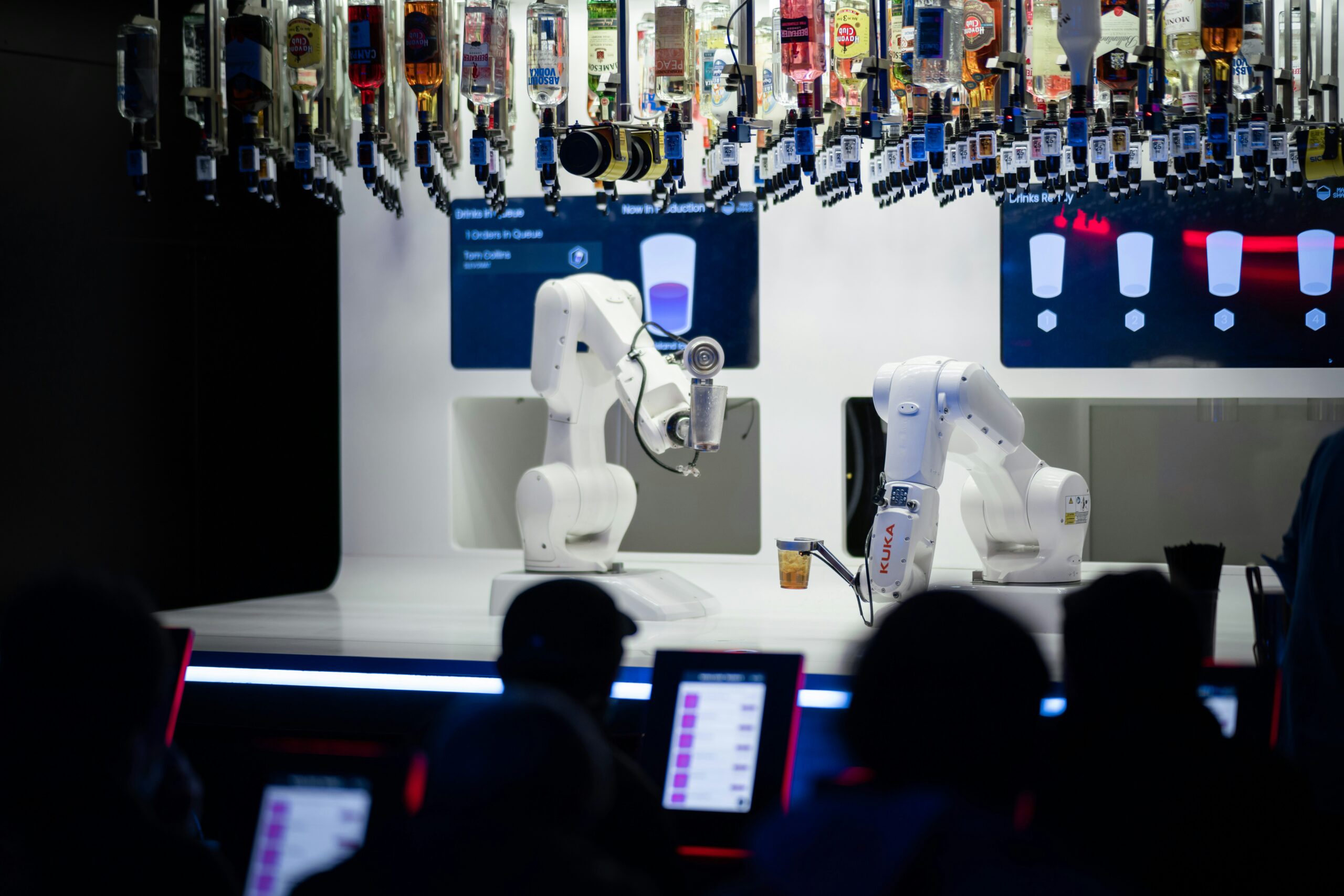
The healthcare industry is experiencing one of the most transformative periods in its history. Rapid advancements in robotics and artificial intelligence are reshaping how diseases are diagnosed, treated, and managed. What once seemed futuristic is now integrated into operating rooms, diagnostic laboratories, and even patients’ homes. These cutting-edge medical innovations are not designed to replace physicians but to enhance their capabilities, improve accuracy, and deliver better patient outcomes. As technology continues to evolve, the synergy between human expertise and intelligent systems is ushering in a new era of medicine.
The Emergence of Robotic-Assisted Surgical Systems
Robotic-assisted surgery has become one of the most visible symbols of medical innovation. These advanced systems allow surgeons to perform highly precise procedures using robotic arms controlled from a console. The technology translates a surgeon’s hand movements into smaller, more refined actions, minimizing the margin of error.
One of the greatest advantages of robotic surgery is its minimally invasive approach. Smaller incisions reduce trauma to surrounding tissues, leading to less postoperative pain and a faster recovery. Patients often experience shorter hospital stays and lower risks of infection compared to traditional open surgeries.
High-definition three-dimensional visualization further enhances surgical precision. Surgeons gain a magnified view of intricate anatomical structures, enabling them to operate with exceptional accuracy. Robotic platforms are widely used in urology, gynecology, cardiothoracic surgery, and orthopedics, and their applications continue to expand as technology advances.
Artificial Intelligence Transforming Diagnostic Accuracy
Artificial intelligence has emerged as a powerful tool in medical diagnostics. AI algorithms analyze vast amounts of data, including imaging scans, laboratory results, and patient histories, to detect patterns that may indicate disease. This capability enhances the speed and precision of diagnosis across multiple specialties.
In radiology, AI systems assist in identifying abnormalities such as tumors, fractures, and internal bleeding. These systems can flag suspicious areas on scans, allowing radiologists to prioritize urgent cases. In dermatology, AI-driven tools evaluate images of skin lesions to assess cancer risk. Ophthalmologists use AI to detect early signs of retinal disease, including diabetic retinopathy.
By reducing the likelihood of missed diagnoses and accelerating the evaluation process, artificial intelligence improves clinical efficiency and patient outcomes. Early detection of diseases such as cancer or cardiovascular conditions significantly increases treatment success rates.
Personalized Healthcare Through Data Integration
The integration of AI into healthcare has paved the way for personalized medicine. Rather than applying a standardized treatment plan to all patients, clinicians can now tailor therapies based on individual genetic profiles, lifestyle factors, and medical histories.
Genomic sequencing combined with AI analytics enables physicians to identify specific mutations associated with certain diseases. In oncology, targeted therapies are selected based on a tumor’s molecular characteristics. This approach enhances treatment effectiveness while minimizing side effects.
Predictive analytics also plays a critical role in disease prevention. AI models can assess risk factors and forecast the likelihood of developing chronic conditions. Healthcare providers can then recommend preventive interventions, improving long-term health outcomes and reducing healthcare costs.
The Rise of Smart Hospitals and Digital Health Ecosystems
Medical innovation extends beyond surgical robots and diagnostic algorithms. Smart hospitals are integrating robotics, AI, and digital infrastructure to optimize patient care and operational efficiency. Automated medication dispensing systems reduce errors, while predictive analytics assist with patient flow management and staffing decisions.
Wearable health devices and remote monitoring systems are transforming how chronic conditions are managed. Patients can track vital signs such as heart rate, blood pressure, and glucose levels from home. Data is transmitted to healthcare providers in real time, enabling early intervention when abnormalities are detected.
Telemedicine platforms powered by AI-driven triage systems are expanding access to healthcare services. Patients in rural or underserved areas can consult specialists remotely, reducing geographical barriers and improving continuity of care.
Enhancing Surgical Planning with Advanced Imaging
Advanced imaging technologies are complementing robotic and AI systems in remarkable ways. Augmented reality and three-dimensional modeling allow surgeons to visualize a patient’s anatomy before entering the operating room. This detailed planning reduces uncertainty and enhances surgical precision.
Intraoperative imaging integrated with robotic systems provides real-time feedback during procedures. Surgeons can adjust their approach instantly based on updated visual data. The combination of robotics, AI, and imaging represents a comprehensive approach to improving surgical outcomes.
Addressing Ethical and Regulatory Challenges
While medical innovations offer tremendous promise, they also present ethical considerations. Patient data privacy remains a critical concern as AI systems rely on extensive datasets for training and analysis. Ensuring robust cybersecurity measures is essential to protect sensitive health information.
Algorithmic bias is another challenge. AI systems must be trained on diverse datasets to avoid disparities in diagnosis and treatment recommendations. Continuous evaluation and regulatory oversight are necessary to ensure fairness, safety, and transparency.
Despite technological advancements, human oversight remains indispensable. Physicians interpret AI-generated insights within the broader context of patient care. Compassion, empathy, and ethical decision-making are uniquely human qualities that technology cannot replicate.
Preparing Healthcare Professionals for a Digital Future
The rapid integration of robotics and artificial intelligence requires a shift in medical education and training. Healthcare professionals must develop skills in operating advanced systems and interpreting AI-supported data. Simulation-based training programs allow surgeons to refine robotic techniques in controlled environments.
Medical curricula increasingly incorporate digital health literacy, data analysis, and technology management. Collaboration between engineers, data scientists, and clinicians fosters innovation and ensures that new technologies address real-world clinical challenges.
Continuous professional development ensures that healthcare providers remain proficient as technology evolves. Adaptability and lifelong learning are essential in a rapidly changing medical landscape.
Global Implications of Medical Innovation
Cutting-edge medical technologies have the potential to reduce global health disparities. AI-powered diagnostic tools can be deployed through smartphones, enabling access to medical expertise in remote regions. Robotic surgery systems, supported by telecommunication networks, may allow experienced surgeons to guide procedures across continents.
Cost-effective AI applications can streamline healthcare delivery in resource-limited settings. However, equitable access remains a priority. Governments, healthcare organizations, and technology companies must collaborate to ensure that innovation benefits diverse populations worldwide.
The Future of Intelligent Healthcare Systems
The next generation of medical innovation promises even greater integration between robotics, artificial intelligence, and biotechnology. Autonomous surgical systems, advanced predictive analytics, and real-time decision support tools are under development. Emerging technologies such as quantum computing may further enhance computational capabilities.
As research continues, the partnership between human clinicians and intelligent systems will deepen. The goal remains consistent: to improve patient safety, increase efficiency, and deliver high-quality care.
Embracing a New Medical Era
Robotics and artificial intelligence are transforming healthcare in profound ways. From enhancing surgical precision to revolutionizing diagnostic accuracy, these innovations are redefining medical practice. While ethical and regulatory challenges must be addressed, the benefits of intelligent healthcare systems are undeniable.
The future of medicine lies in harmonizing advanced technology with human expertise. By embracing responsible innovation, healthcare systems can deliver safer, more efficient, and more personalized care. Intelligent medicine is not a distant vision but a present reality that continues to evolve, offering hope for improved health outcomes around the world.