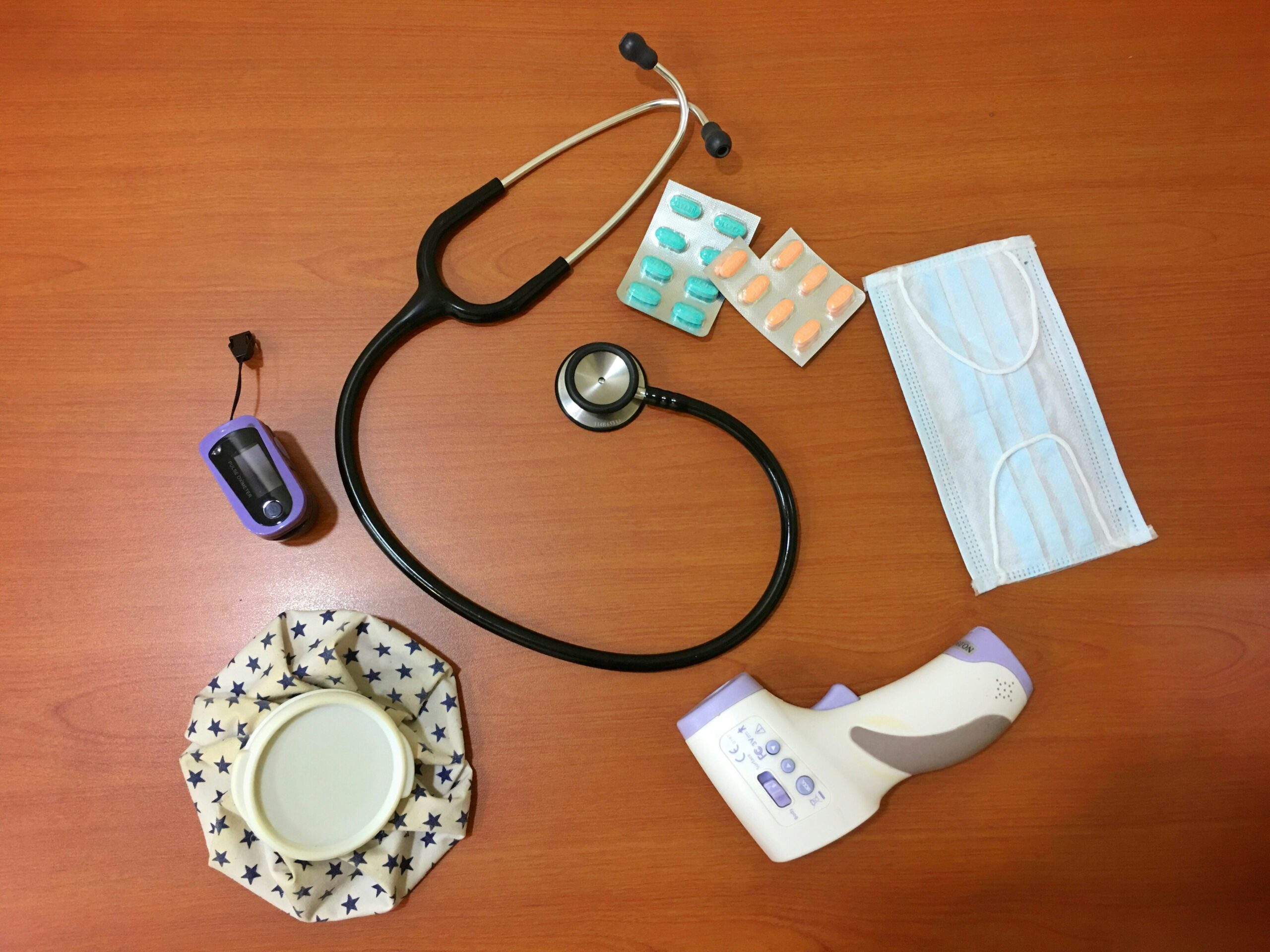
In today’s fast-paced healthcare environment, staying ahead means embracing technology. Medical professionals must adapt to tools that increase efficiency, improve patient outcomes, and simplify complex procedures. These gadgets are no longer optional—they are essential. From hospitals to clinics, modern medical devices are transforming the way care is delivered.
Smart Diagnostic Tools
Accurate and timely diagnosis forms the backbone of effective treatment. Innovative diagnostic gadgets now provide faster results while minimizing human error. Portable ultrasound machines, for example, allow clinicians to examine internal organs at the patient’s bedside. Unlike traditional equipment, these compact devices deliver high-resolution imaging without sacrificing mobility. In addition, handheld blood analyzers provide quick test results, allowing doctors to make critical decisions immediately. Consequently, patients receive faster diagnoses, and care teams save valuable time.
Moreover, some devices integrate artificial intelligence to detect patterns that humans might miss. These AI-assisted diagnostic tools alert professionals to subtle abnormalities in scans and lab results. By catching issues early, clinicians can prevent complications, improve recovery rates, and reduce hospital stays. Thus, innovative diagnostics are changing the pace of modern medicine.
Wearable Health Monitors
Monitoring patients outside the clinic has become a reality with wearable technology. Devices such as smart watches and biosensors track heart rate, oxygen levels, and blood pressure in real time. These gadgets transmit data directly to healthcare providers, enabling continuous monitoring without hospitalization. Consequently, doctors can intervene before conditions worsen.
Wearables also empower patients to take control of their own health. When people see their vitals, they become more aware of lifestyle habits that affect well-being. This collaborative approach strengthens patient engagement and enhances long-term outcomes. As technology advances, wearables become more sophisticated, offering insights once available only in hospital settings. Therefore, integrating wearables into care strategies has become a game-changer for medical practice.
Telemedicine Equipment
Telemedicine has reshaped the doctor-patient relationship, especially in remote or underserved areas. High-definition cameras, secure video conferencing software, and connected diagnostic tools allow clinicians to consult with patients from anywhere. With these gadgets, doctors can evaluate symptoms, provide prescriptions, and monitor recovery without requiring in-person visits.
The benefits extend beyond convenience. Telemedicine reduces travel time, lowers healthcare costs, and ensures timely intervention. Patients gain access to specialists who might be hundreds of miles away, while providers maintain consistent communication. By bridging the gap between distance and care, telemedicine devices enhance accessibility and foster stronger patient relationships.
Advanced Surgical Tools
Surgical precision has improved dramatically thanks to cutting-edge devices. Robotic-assisted surgery platforms allow surgeons to perform complex procedures with minimal invasion. These systems translate the surgeon’s movements into highly controlled actions, reducing the risk of complications. Additionally, real-time imaging during surgery provides guidance that was previously impossible.
Beyond robotics, innovative surgical instruments provide data on tissue health, blood flow, and other critical metrics. Surgeons can make informed decisions in the operating room, which enhances patient safety. Consequently, hospitals have reported shorter recovery times and improved patient outcomes following surgery. The integration of advanced surgical tools continues to elevate the standard of care in modern medicine.
Portable Emergency Devices
In emergencies, every second counts. Portable medical devices have become indispensable for first responders and clinicians in urgent care settings. Compact defibrillators, mobile ventilators, and rapid diagnostic kits allow professionals to stabilize patients immediately. These gadgets ensure that critical interventions happen even before a patient reaches the hospital.
Moreover, modern emergency devices often come with user-friendly interfaces. This design reduces the chance of operator error during high-pressure situations. Emergency personnel can act decisively, thereby increasing survival rates and improving patient outcomes. As technology evolves, portable devices will continue to enhance life-saving capabilities across healthcare environments.
Integration with Digital Records
The effectiveness of medical gadgets increases when they connect with digital health records. Devices that sync with electronic medical records (EMRs) streamline workflow, reduce paperwork, and improve accuracy. Clinicians can access patient history, track treatment progress, and update records in real time. This seamless integration ensures that the most current data informs every decision.
Additionally, connected devices support predictive analytics. By analyzing trends in patient data, healthcare providers can anticipate complications and tailor treatments. Digital integration transforms isolated devices into a cohesive system, enabling more proactive and personalized care. In turn, patients benefit from coordinated treatment plans that maximize efficiency and results.
The Future of Medical Gadgets
The potential for medical gadgets continues to expand as innovation accelerates. Devices are becoming smaller, more innovative, and more intuitive, offering capabilities that were once the stuff of science fiction. As technology advances, professionals can expect more AI-driven diagnostics, enhanced remote monitoring, and more innovative surgical tools. These innovations will further reduce errors, speed up care, and improve patient satisfaction.
Healthcare providers who embrace these tools gain a competitive advantage. By leveraging cutting-edge devices, they can deliver faster, safer, and more precise care. Patients, in turn, experience better outcomes and a higher quality of life. The future of medicine is not just about knowledge—it is about combining expertise with technology to transform every aspect of patient care.
Medical gadgets are no longer luxury items; they are essential instruments for modern healthcare. From diagnostics and monitoring to surgery and emergency response, these devices empower professionals to provide better care. By embracing innovative technology, clinicians can enhance efficiency, improve accuracy, and elevate patient outcomes. Ultimately, the integration of advanced gadgets into medical practice represents a revolution—one that promises a healthier, more responsive, and more effective healthcare system for everyone.