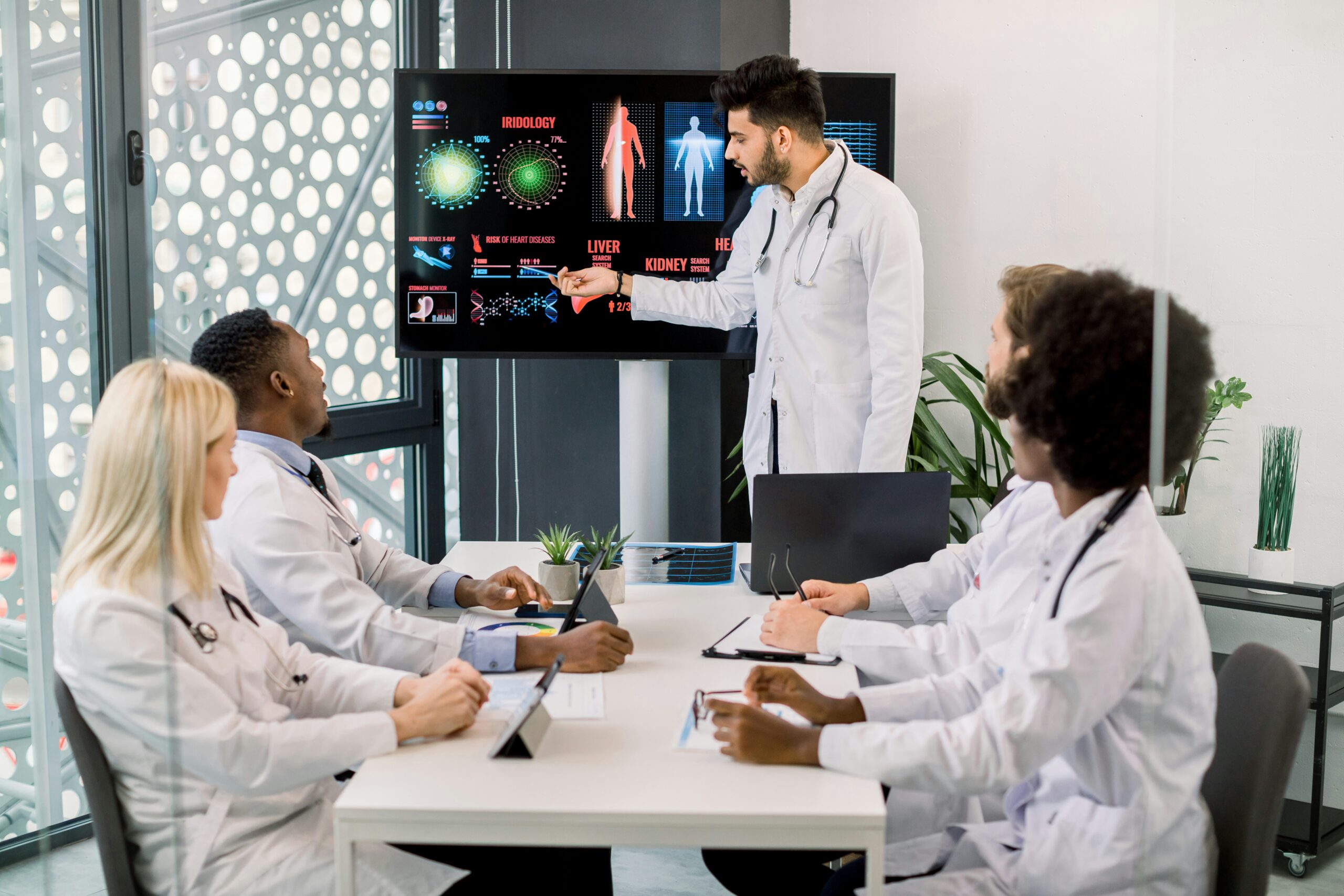
Medical technology continues to advance rapidly, transforming how healthcare professionals diagnose illnesses, deliver treatments, and manage patient care. Over the past decade, breakthroughs in digital tools, biotechnology, and intelligent systems have significantly improved clinical outcomes and operational efficiency. Hospitals and healthcare systems are increasingly adopting these technologies to meet growing patient demands while maintaining high standards of care.
For healthcare professionals, understanding emerging technologies is no longer optional. Knowledge of modern tools allows clinicians to enhance diagnostic accuracy, personalize treatment plans, and improve communication with patients. Several innovative technologies are now playing a critical role in shaping the future of healthcare delivery.
Artificial Intelligence-Powered Clinical Support
Artificial intelligence is transforming many aspects of healthcare, especially clinical decision-making. AI systems analyze large volumes of patient data, including electronic health records, lab results, and imaging studies, to assist physicians in identifying patterns that may not be easily visible to the human eye. These insights can help clinicians detect diseases earlier and choose more effective treatment strategies.
AI also supports hospital operations by improving workflow efficiency. Automated triage systems can evaluate patient symptoms and prioritize care by urgency, helping emergency departments manage patient flow more effectively. Predictive analytics can also forecast disease progression, allowing healthcare teams to intervene sooner and reduce complications.
Telehealth Expanding Access to Care
Telehealth has become an essential component of modern healthcare delivery. Through digital platforms, patients can consult healthcare providers using video calls, mobile applications, and secure messaging systems. This approach removes many barriers to care, especially for patients living in rural areas or those with limited mobility.
Another major advantage of telehealth is continuity of care. Patients with chronic conditions such as diabetes, hypertension, or heart disease can maintain regular contact with their healthcare providers without frequent in-person visits. This consistent communication improves treatment adherence and helps physicians detect early changes in health status.
Robotic Technology in Surgical Procedures
Robotic surgery has significantly enhanced the precision and safety of complex medical procedures. Advanced robotic systems allow surgeons to control specialized instruments through a computer interface, translating their movements into highly accurate surgical actions. This technology enables minimally invasive procedures that reduce trauma to surrounding tissues.
Patients often benefit from shorter hospital stays and faster recovery times after robotic-assisted surgeries. Smaller incisions lead to reduced blood loss and lower infection risks. In addition, the enhanced visualization provided by robotic systems enables surgeons to operate with greater clarity and control, especially during delicate procedures.
Regenerative Medicine and Tissue Engineering
Regenerative medicine represents a breakthrough in the treatment of damaged tissues and organs. This field focuses on repairing or replacing diseased cells using techniques such as stem cell therapy and tissue engineering. Scientists are developing ways to stimulate the body’s natural healing processes to restore function in injured tissues.
Researchers are also exploring the creation of lab-grown tissues that can be implanted into patients. Tissue engineering uses biological materials combined with specialized scaffolds to produce functional tissues. These innovations could eventually reduce the need for organ transplants and provide new treatment options for conditions that were previously considered untreatable.
Advanced Medical Imaging Technologies
Medical imaging technologies have evolved dramatically, providing healthcare professionals with clearer and more detailed views of the human body. High-resolution MRI and CT scanners now allow physicians to detect abnormalities with remarkable precision. These imaging tools play a crucial role in diagnosing neurological disorders, cardiovascular disease, and cancer.
New imaging techniques are also improving surgical planning. Three-dimensional imaging models help surgeons visualize anatomical structures before performing complex procedures. By understanding the exact location and size of abnormalities, healthcare teams can plan safer surgical strategies and improve patient outcomes.
Internet of Medical Things in Healthcare
The Internet of Medical Things (IoMT) connects medical devices and healthcare systems via secure digital networks. Smart devices such as connected insulin pumps, heart monitors, and infusion pumps can automatically transmit patient data to healthcare providers. This real-time information enables clinicians to monitor patient health continuously.
IoMT technology also improves hospital efficiency. Smart hospital beds, connected ventilators, and automated medication systems help healthcare staff manage resources more effectively. By integrating devices into a unified network, hospitals can reduce human error and enhance patient safety.
Virtual Reality for Medical Training
Virtual reality is emerging as a powerful tool for medical education and clinical training. VR simulations allow healthcare professionals to practice procedures in realistic digital environments. Surgeons, for example, can rehearse complex operations before performing them on real patients.
This immersive training method improves skill development and builds confidence among medical students and professionals. VR technology can also simulate rare medical emergencies, giving trainees valuable experience in situations they might not encounter frequently during traditional training programs.
Personalized Medicine and Genetic Insights
Personalized medicine is changing how diseases are treated by focusing on individual genetic differences. Advances in genomic sequencing allow physicians to analyze a patient’s DNA and identify genetic factors that influence disease risk or medication response. This information helps healthcare providers design treatments tailored specifically to each patient.
Genetic testing has become especially important in cancer treatment. Oncologists can study tumor genetics to determine which therapies will be most effective. Targeted treatments often produce better outcomes and fewer side effects than traditional therapies, making personalized medicine a promising direction for future healthcare.
Digital Health Records and Data Integration
Electronic health records have significantly improved the storage and sharing of patient information. Digital records allow healthcare providers to access medical histories, laboratory results, imaging reports, and medication lists instantly. This accessibility supports better communication among healthcare teams and improves care coordination.
Integrated health data systems also support research and public health initiatives. By analyzing large datasets, researchers can identify trends, track disease outbreaks, and evaluate treatment effectiveness. These insights contribute to improved healthcare policies and better patient outcomes across entire populations.
The Role of Technology in Future Healthcare
The integration of advanced technologies into healthcare systems is reshaping how medical professionals approach diagnosis, treatment, and patient engagement. Innovations such as artificial intelligence, robotic surgery, and connected medical devices are creating new opportunities to deliver more efficient and personalized care.
Healthcare professionals who stay informed about these developments will be better equipped to adapt to the evolving medical landscape. As technology continues to progress, collaboration between clinicians, engineers, and researchers will play a vital role in driving further breakthroughs that improve patient health worldwide.