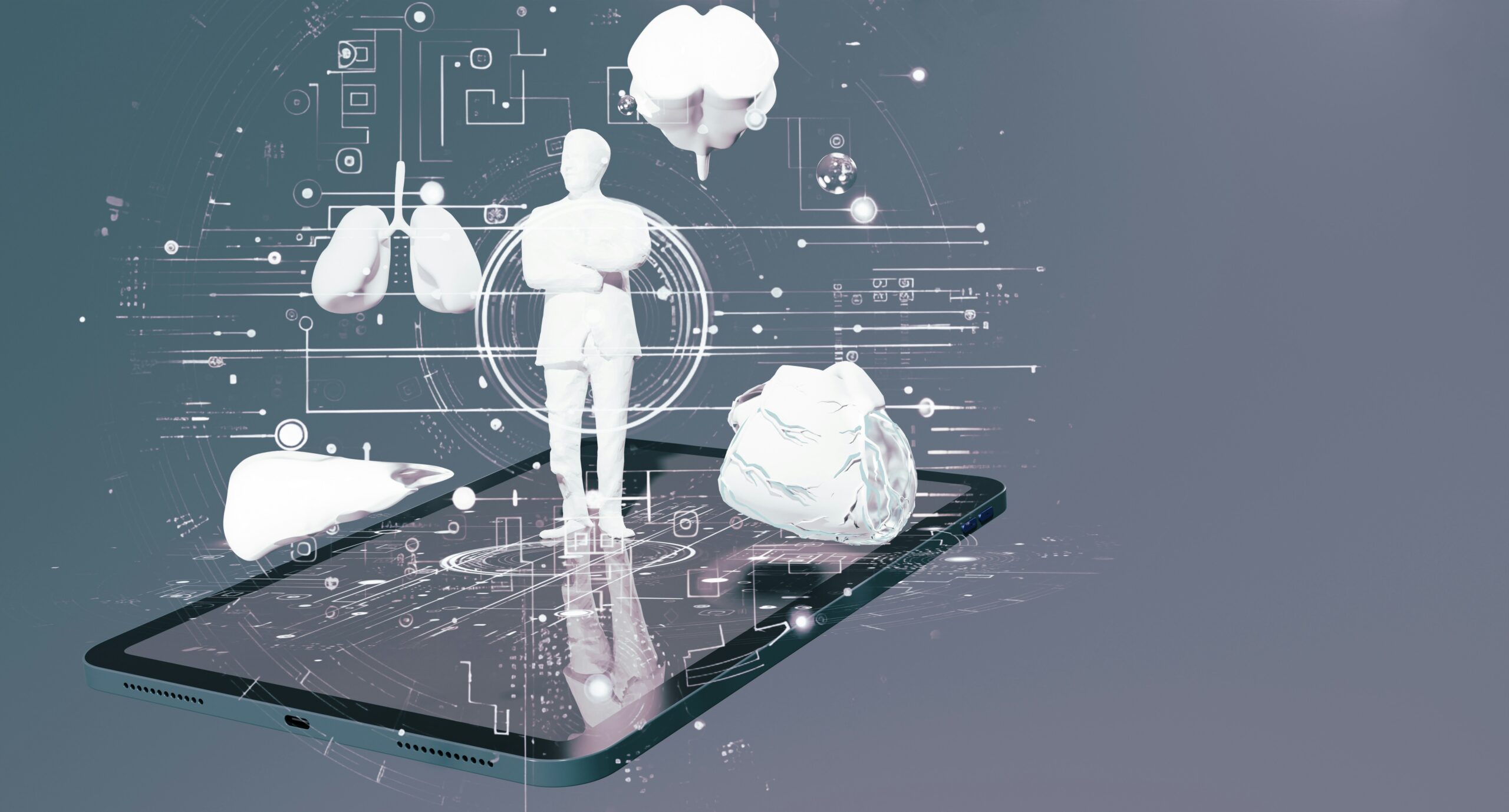
Modern healthcare continues to evolve because of rapid advances in artificial intelligence. Hospitals, clinics, and research centers now use AI diagnosis systems to improve medical accuracy and provide better patient care. Doctors can identify diseases faster, create more personalized treatment plans, and reduce diagnostic errors with the support of advanced AI technology. As healthcare systems grow more complex, medical professionals rely on artificial intelligence to manage large amounts of patient data and deliver smarter healthcare solutions.
AI diagnosis has become one of the most important innovations in modern medicine. Healthcare providers use artificial intelligence to analyze medical images, laboratory reports, patient histories, and genetic information with incredible speed and precision. These systems help doctors make informed decisions while improving treatment quality and patient safety. As a result, AI diagnosis continues to reshape the future of healthcare and improve medical outcomes worldwide.
The Growing Importance of AI Diagnosis in Healthcare
Healthcare professionals face constant pressure to deliver faster, more accurate diagnoses. Traditional diagnostic methods often require significant time and manual analysis, especially when doctors handle large amounts of medical data. AI diagnosis helps solve these challenges by processing complex information quickly and efficiently. Artificial intelligence can identify patterns that may not appear obvious during routine examinations.
Doctors now use AI diagnostic tools in hospitals and clinics to improve decision-making and reduce treatment delays. AI systems support healthcare teams by providing detailed insights from patient data and medical research. Because of this technology, healthcare providers can focus more directly on patient care while improving diagnostic accuracy and treatment effectiveness.
How AI Diagnosis Improves Disease Detection
AI diagnosis systems improve disease detection by analyzing medical data with exceptional precision. Artificial intelligence can review X-rays, CT scans, MRI scans, and pathology reports within seconds. These systems help doctors identify signs of diseases such as cancer, heart disease, and neurological disorders at earlier stages.
Early detection plays a critical role in successful treatment outcomes. Patients often experience better recovery when doctors diagnose illnesses before symptoms become severe. AI diagnosis allows healthcare providers to detect abnormalities quickly and begin treatment sooner. Consequently, patients gain access to more treatment options and improved long-term health outcomes.
Reducing Human Error in Medical Treatment
Human error remains one of the biggest challenges in healthcare. Doctors and healthcare professionals often work under stressful conditions while managing large patient loads. Fatigue, time pressure, and information overload can increase the risk of diagnostic mistakes. AI diagnosis helps reduce these risks by supporting medical professionals with accurate data analysis and consistent evaluations.
Artificial intelligence systems review medical information without becoming tired or distracted. These tools help doctors confirm diagnoses and identify potential issues that manual analysis may overlook. Although AI diagnosis does not replace healthcare professionals, it provides valuable support that improves accuracy and patient safety throughout the treatment process.
AI Diagnosis and Personalized Medical Treatment
Personalized healthcare has become a major focus in modern medicine. Every patient has unique medical needs, health conditions, and treatment responses. AI diagnosis helps doctors create customized treatment plans by analyzing patient histories, genetic information, and lifestyle factors.
Healthcare providers can use AI diagnosis to predict how patients may respond to specific medications or therapies. This personalized approach improves treatment outcomes because doctors can more accurately recommend therapies that match each patient’s condition. As a result, patients receive more effective care while avoiding unnecessary treatments and side effects.
Medical Imaging and AI Technology
Medical imaging has undergone major improvements thanks to AI-based diagnostic technology. Radiologists and healthcare professionals now rely on artificial intelligence to more efficiently examine medical scans. AI systems can detect tiny abnormalities that may remain difficult to identify during manual reviews.
AI diagnosis also speeds up imaging analysis, enabling doctors to deliver faster results to patients. Quick diagnosis reduces patient anxiety and allows treatment to begin sooner. Furthermore, AI imaging systems improve consistency in medical evaluations, helping healthcare teams deliver more reliable and accurate diagnoses.
AI Diagnosis in Cancer Detection
Cancer diagnosis represents one of the most important areas where AI technology improves healthcare accuracy. Artificial intelligence can analyze mammograms, biopsy reports, and imaging scans to identify early signs of cancer with remarkable precision. Early detection significantly improves survival rates and treatment effectiveness for many patients.
AI diagnosis helps oncologists develop more targeted treatment plans based on each patient’s cancer type and progression. Doctors can monitor treatment responses more closely and adjust therapies when necessary. Therefore, AI technology continues to improve cancer care and support better patient outcomes.
Improving Heart Disease Diagnosis With AI
Heart disease remains one of the leading causes of death worldwide. Doctors often face challenges diagnosing cardiovascular conditions because symptoms can vary from patient to patient. AI diagnosis systems help healthcare professionals identify heart-related issues by analyzing medical records, imaging scans, and patient data.
Artificial intelligence can detect irregular heart rhythms, blocked arteries, and early signs of heart failure more accurately than many traditional methods. Healthcare providers can begin treatment earlier and reduce the risk of severe complications. Consequently, patients receive better preventive care and improved long-term cardiovascular health management.
AI Diagnosis and Remote Healthcare
Remote healthcare services continue to expand as advances in artificial intelligence drive innovation. Patients can now access medical support through telemedicine platforms while AI diagnosis systems assist doctors during virtual consultations. This approach improves healthcare access for people living in rural or underserved communities.
AI diagnosis also supports remote patient monitoring through wearable devices and digital healthcare applications. Doctors can track vital signs, monitor chronic conditions, and detect real-time changes in health. Therefore, healthcare providers can respond quickly when patient conditions worsen and reduce unnecessary hospital visits.