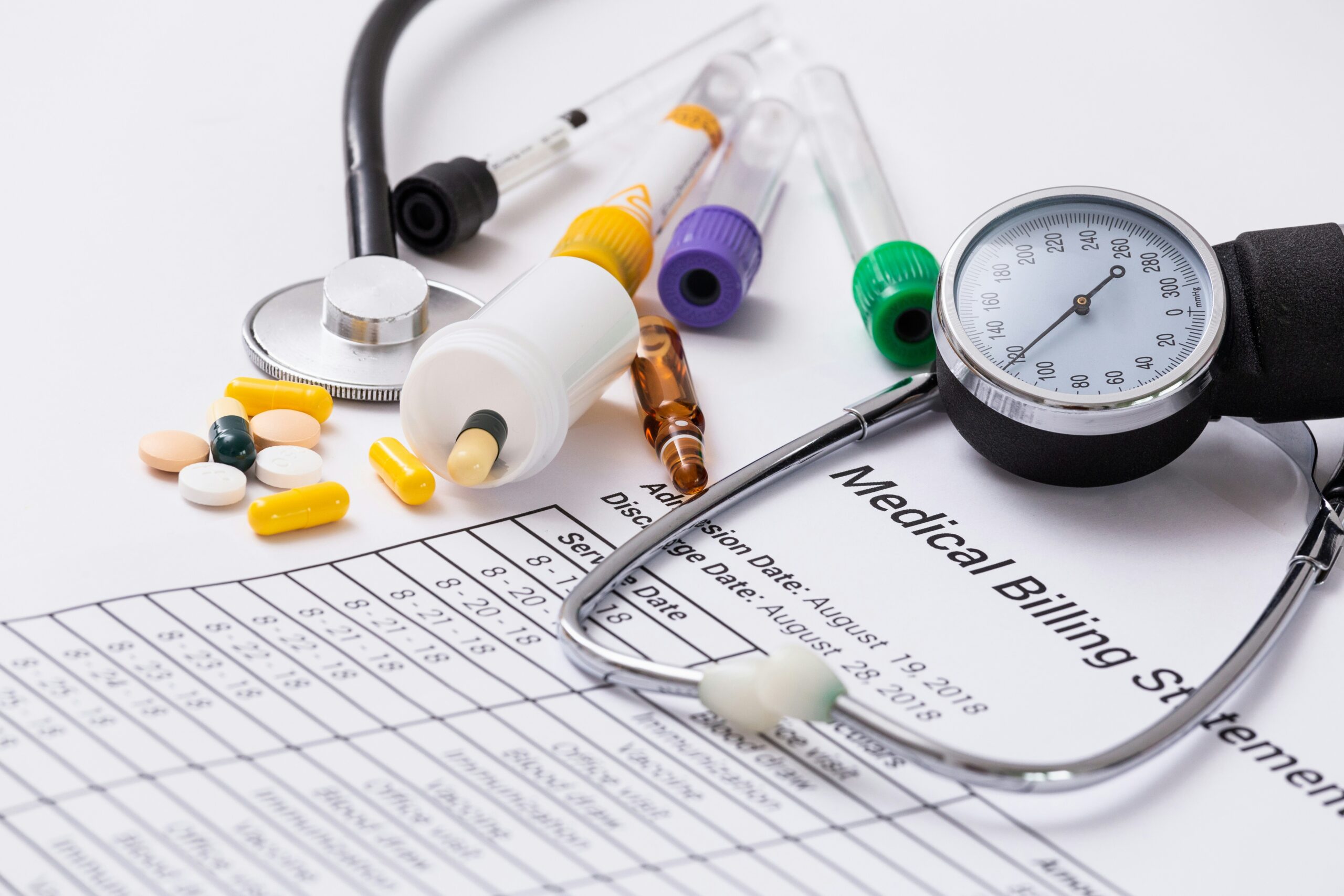
Medical devices play a central role in modern healthcare. Doctors, nurses, technicians, and other healthcare professionals rely on these tools every day to diagnose illnesses, monitor patients, and deliver effective treatments. As healthcare technology continues to advance, understanding medical devices has become more important than ever.
Healthcare professionals work in environments where quick decisions can affect patient outcomes. Therefore, they need reliable equipment that provides accurate information and supports efficient care. Medical devices help bridge the gap between clinical knowledge and practical treatment. They improve accuracy, increase efficiency, and support better communication among healthcare teams.
As healthcare systems continue to evolve, professionals who understand medical devices can provide higher-quality care. They can also adapt more easily to new technologies that continue to shape the future of medicine.
The Growing Importance of Medical Devices in Healthcare
Medical devices have transformed healthcare in countless ways. They allow healthcare professionals to detect diseases earlier, monitor conditions more effectively, and deliver treatments with greater precision. Because of these benefits, healthcare facilities continue to invest in advanced technology.
At the same time, patient expectations have changed. Patients want faster diagnoses, more personalized treatments, and better overall experiences. Medical devices help healthcare providers meet these expectations while maintaining high standards of safety and care.
Healthcare professionals who understand these devices can use them more effectively. As a result, they improve patient outcomes and contribute to a more efficient healthcare system.
Diagnostic Imaging Devices
Diagnostic imaging devices remain among the most important tools in modern healthcare. Equipment such as MRI scanners, CT scanners, X-ray systems, and ultrasound machines allows healthcare providers to examine internal structures without invasive procedures.
These devices provide detailed images that help physicians identify injuries, tumors, infections, and other medical conditions. Because they offer accurate visual information, they support faster diagnosis and more effective treatment planning.
In addition, imaging technology continues to improve. New systems produce clearer images while reducing scan times. Consequently, healthcare professionals can make quicker decisions and improve patient care.
Patient Monitoring Devices
Patient monitoring devices help healthcare professionals track vital signs continuously. Common examples include heart monitors, pulse oximeters, blood pressure monitors, and respiratory monitoring systems.
These devices provide real-time information that allows healthcare teams to identify changes in patient conditions immediately. Therefore, providers can respond quickly when complications arise.
Monitoring devices are especially important in critical care environments. However, they also support patient safety in general hospital units, outpatient facilities, and home healthcare settings. Continuous monitoring helps reduce risks and improve treatment outcomes.
Infusion Pumps and Medication Delivery Systems
Accurate medication delivery is essential in healthcare. Infusion pumps help healthcare professionals administer medications, fluids, and nutrients with precision. These devices reduce the risk of dosage errors and ensure consistent treatment delivery.
Modern infusion pumps include advanced safety features. For example, they can alert healthcare providers when settings exceed approved limits. This feature helps prevent medication mistakes and improves patient safety.
Because medication management remains a critical aspect of healthcare, understanding infusion technology is important for doctors, nurses, and pharmacists alike.
Ventilators and Respiratory Care Equipment
Ventilators support patients who cannot breathe effectively on their own. These devices assist with oxygen delivery and breathing management during serious illnesses, surgical procedures, and emergencies.
Respiratory care equipment also includes oxygen concentrators, nebulizers, and airway management devices. Together, these tools help healthcare professionals manage a wide range of respiratory conditions.
Effective use of respiratory devices can significantly improve patient outcomes. Therefore, healthcare workers should understand both the capabilities and limitations of these essential technologies.
Electrocardiogram and Cardiac Monitoring Systems
Heart disease remains a major health concern across the world. Because of this, cardiac monitoring devices play an essential role in healthcare. Electrocardiogram systems measure the electrical activity of the heart and help identify abnormal rhythms and cardiac conditions.
Cardiac monitors provide continuous observation of heart function. This information helps healthcare professionals detect issues before they become life-threatening.
Early detection often leads to more successful treatment. Consequently, healthcare professionals who understand cardiac monitoring systems can provide faster and more effective interventions.
Laboratory Diagnostic Equipment
Laboratory devices help healthcare professionals analyze blood, urine, and tissue samples. These systems provide critical information about infections, organ function, hormone levels, and many other health indicators.
Modern laboratory equipment improves efficiency through automation. As a result, laboratories can process large numbers of samples quickly while maintaining high levels of accuracy.
Healthcare professionals depend on laboratory results to guide treatment decisions. Therefore, understanding how these devices contribute to diagnosis is important across all areas of healthcare.
Ultrasound Technology
Ultrasound technology uses sound waves to create images of internal structures. Unlike some imaging methods, ultrasound does not expose patients to radiation. Because of this advantage, healthcare providers use it frequently in many specialties.
Healthcare professionals rely on ultrasound devices in obstetrics, cardiology, emergency medicine, and primary care. Portable ultrasound systems have also increased accessibility in hospitals and clinics.
These devices support rapid diagnosis and immediate clinical decision-making. Therefore, they remain valuable tools for improving patient care and operational efficiency.
Wearable Medical Devices
Wearable medical devices continue to gain popularity throughout healthcare. Smartwatches, heart rhythm monitors, and continuous glucose monitoring systems allow patients and healthcare providers to track important health data in real time.
These devices encourage patient engagement and support preventive healthcare strategies. Patients can monitor their conditions more closely while healthcare professionals receive valuable information between appointments.
As wearable technology becomes more advanced, healthcare professionals must understand how to interpret and use the data effectively. This knowledge can support better disease management and improved patient outcomes.