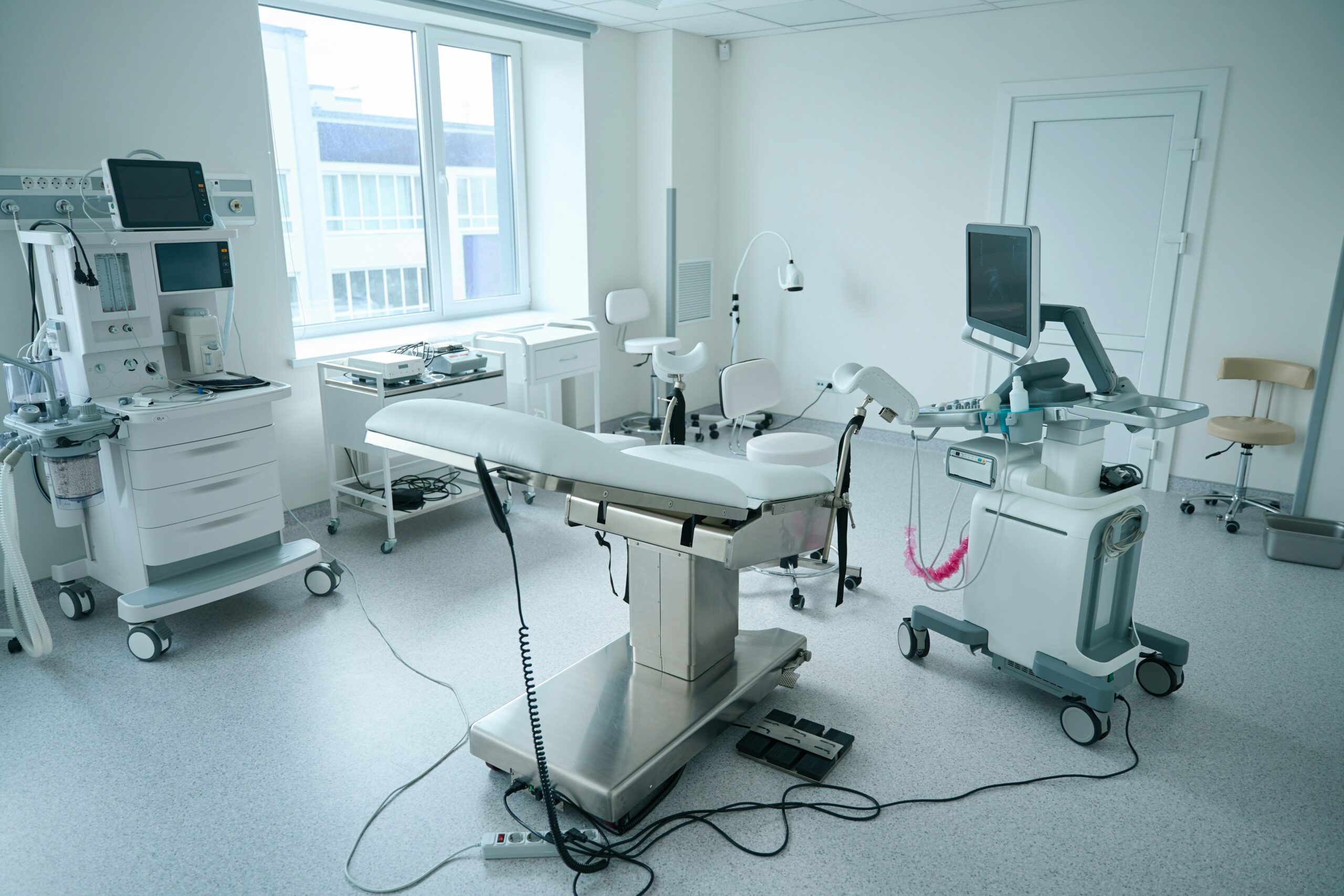
Healthcare continues to evolve rapidly as advanced tools reshape how professionals diagnose, treat, and manage disease. Medical technologies now drive faster clinical decisions, improve patient outcomes, and reduce the growing burden on healthcare systems. As innovation accelerates, hospitals and clinics increasingly adopt smarter systems that combine data analytics, precision tools, and automation.
At the same time, patients benefit from a more personalized and connected healthcare experience. Digital platforms, intelligent systems, and advanced devices enable continuous monitoring and proactive treatment approaches. Despite challenges like cost, training, and integration, modern technology continues to drive meaningful progress in healthcare.
Artificial Intelligence Enhancing Clinical Decisions
Artificial intelligence now plays a central role in modern clinical environments, transforming how medical professionals interpret data and make decisions. It allows doctors to analyze vast amounts of complex information quickly and with remarkable accuracy. As a result, physicians can detect diseases at earlier stages and make more informed decisions with greater confidence.
In addition, AI supports the development of highly personalized treatment plans by studying patient history, lifestyle patterns, and genetic data. This deeper level of analysis allows care providers to tailor therapies that closely match individual patient needs. Consequently, patients experience better outcomes while hospitals improve efficiency and reduce unnecessary procedures.
Robotic Surgery Improving Precision and Recovery
Robotic-assisted surgery has transformed how surgeons perform complex and delicate procedures. These advanced systems allow doctors to operate with enhanced precision, flexibility, and control that traditional methods cannot always provide. As a result, patients often experience less pain, smaller incisions, and a significantly faster recovery.
Moreover, robotic tools help reduce the risk of complications during surgery by offering stable movements and high-definition visualization. This improved accuracy leads to better surgical outcomes and fewer post-operative issues. Because of these benefits, hospitals continue to invest heavily in robotic systems to expand their surgical capabilities.
Wearable Devices Supporting Continuous Monitoring
Wearable technology has become an essential part of modern healthcare by enabling continuous health tracking outside traditional clinical settings. Devices such as smartwatches and fitness trackers monitor heart rate, oxygen levels, sleep patterns, and physical activity in real time.
At the same time, healthcare providers use this continuous stream of data to make more accurate and timely decisions. Monitoring trends over time allows doctors to detect patterns that may signal underlying conditions before they become severe. As a result, care becomes more proactive rather than reactive.
Telemedicine Expanding Access to Care
Telemedicine has significantly transformed how patients connect with healthcare providers by making care more accessible and convenient. Virtual consultations allow individuals to receive medical advice and treatment without visiting a physical clinic. As a result, access to healthcare improves, especially for people living in remote or underserved areas.
Additionally, telemedicine reduces waiting times and increases efficiency for both patients and doctors. Healthcare systems benefit from lower operational costs while maintaining high-quality service delivery. Because of these competitive advantages, telehealth continues to grow rapidly and establish itself as a reliable and essential component of modern healthcare systems.
Advanced Imaging Enhancing Diagnostic Accuracy
Modern imaging technologies provide clearer, more detailed, and highly accurate views of the human body than ever before. Tools such as high-resolution MRI and CT scans enable doctors to detect diseases at much earlier stages. Therefore, early diagnosis allows for more effective treatment planning and improved patient outcomes.
Furthermore, advanced imaging systems now integrate with artificial intelligence to enhance interpretation and analysis. This powerful combination enables faster, more precise evaluation of medical images. As a result, healthcare professionals can make timely decisions that improve patient care, reduce risks, and increase diagnostic confidence.
3D Printing Revolutionizing Medical Solutions
3D printing has introduced groundbreaking possibilities in healthcare innovation by enabling the creation of customized medical solutions. Doctors can now produce implants, prosthetics, and even surgical tools tailored specifically to individual patients. This leads to better fit, improved comfort, and enhanced functionality for patients.
In addition, 3D printing supports surgical planning by producing highly accurate anatomical models. Surgeons can practice procedures in advance, thereby increasing precision and reducing risks during actual operations. Consequently, this technology continues to enhance patient safety and improve treatment outcomes across a wide range of medical fields.
Biotechnology Driving Personalized Medicine
Biotechnology continues to push healthcare into a new era focused on personalized and precision-based treatment. Scientists can now develop advanced therapies tailored to an individual’s genetic makeup, enabling more targeted and effective medical interventions. This approach ensures that treatments align closely with each patient’s unique biological profile.
At the same time, biotechnology plays a key role in advancing drug development and disease prevention strategies. Researchers can identify potential health risks earlier and design solutions tailored to specific populations. As a result, healthcare is shifting toward a more individualized model that prioritizes precision, efficiency, and long-term patient well-being.
Smart Health Records Streamlining Data Management
Electronic health records have evolved into intelligent systems that significantly improve how patient data is stored, accessed, and shared. Doctors can now retrieve patient information quickly and securely, enabling faster, more informed decision-making. As a result, communication between modern healthcare providers becomes smoother and more efficient.
Moreover, these smart systems reduce paperwork and minimize the risk of documentation errors. Integrated platforms enable seamless information sharing across departments and facilities. Therefore, patient care becomes more coordinated, consistent, and effective, ultimately enhancing the overall healthcare experience.