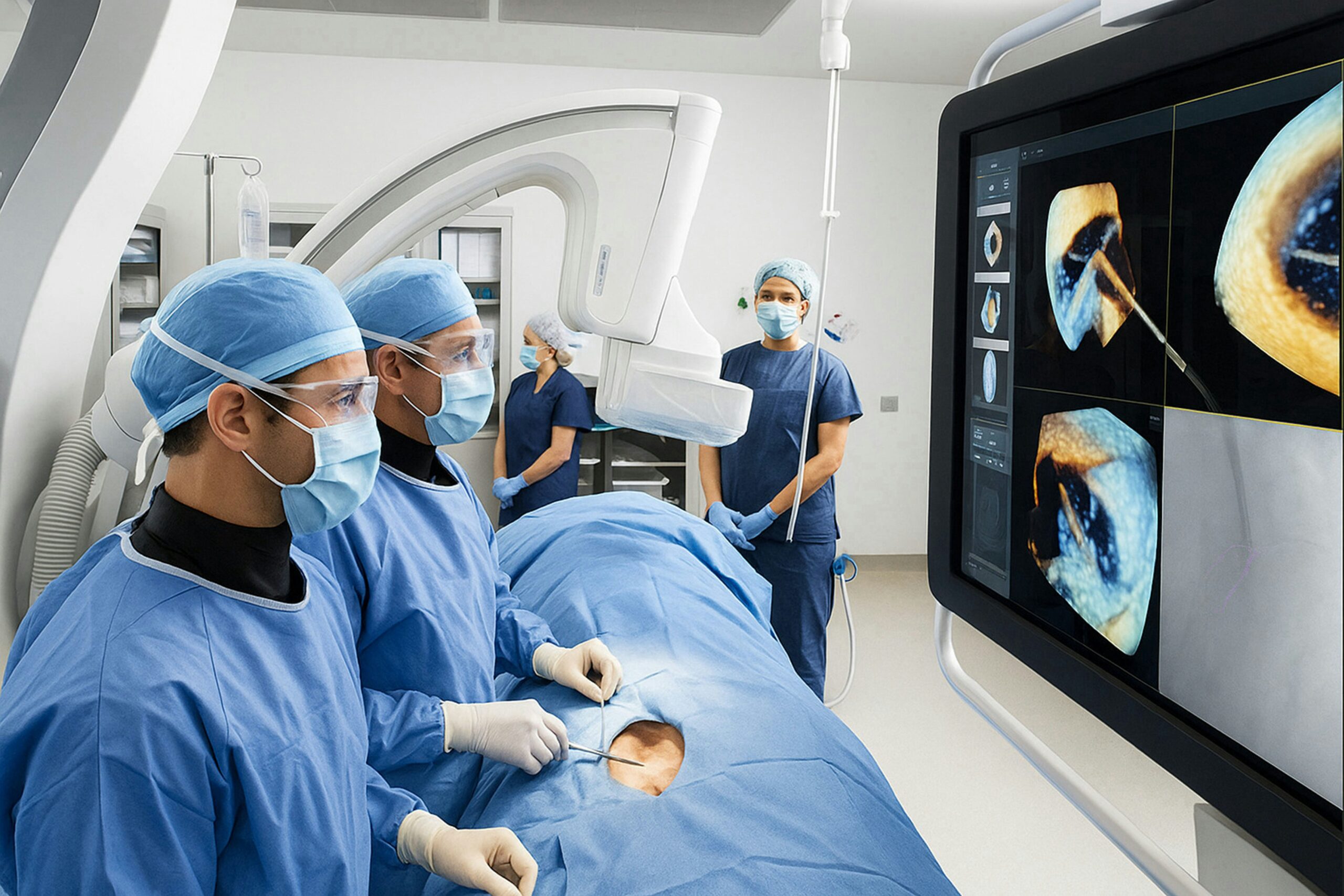
Medical technology continues to advance at a remarkable pace, and these innovations are changing how doctors approach patient care. From faster diagnostics to more precise treatments, new tools help healthcare professionals work more efficiently while improving outcomes. As a result, physicians can focus more on delivering quality care and less on time-consuming processes.
At the same time, patients expect more personalized and convenient healthcare experiences. Because of these expectations, doctors increasingly rely on advanced technologies to meet evolving demands. Consequently, modern medicine is becoming more proactive, connected, and responsive, which benefits both providers and patients in meaningful ways.
Artificial Intelligence Revolutionizing Diagnosis
Artificial intelligence has emerged as a powerful force in healthcare, particularly in diagnostics. By analyzing large datasets quickly, AI systems can detect patterns and abnormalities that may not be immediately visible to the human eye. As a result, doctors can identify diseases earlier and begin treatment sooner, which significantly improves patient outcomes.
Moreover, AI continues to learn and evolve as it processes more data over time. This ongoing improvement enhances its accuracy and reliability in clinical settings. Because of this progress, physicians can use AI as a supportive tool to strengthen their decision-making and reduce the likelihood of diagnostic errors.
Telemedicine Enhancing Accessibility
Telemedicine has transformed how patients access healthcare services, making it easier to connect with doctors regardless of location. Through virtual consultations, patients can receive medical advice and treatment without leaving their homes. As a result, individuals living in remote areas or with limited mobility can access care that was once difficult to obtain.
In addition, telemedicine platforms often include tools for remote monitoring and follow-up care. These features allow doctors to track patient progress and make adjustments when necessary. Consequently, this continuous connection improves patient engagement and ensures that care remains consistent and effective over time.
Robotics Advancing Surgical Precision
Robotic-assisted surgery has introduced a new level of precision and control in the operating room. Surgeons can perform complex procedures with greater accuracy, which reduces the risk of complications. Because robotic systems support minimally invasive techniques, patients experience less pain and recover more quickly.
Furthermore, these systems provide enhanced visualization through advanced imaging technology. Surgeons can see detailed, high-definition views of the surgical area, which helps them navigate delicate structures. As a result, robotic-assisted procedures improve outcomes and set new standards for safety and efficiency in modern medicine.
Wearable Technology Supporting Continuous Care
Wearable health devices have become an essential part of modern healthcare by enabling continuous monitoring of patient health. These devices track vital signs such as heart rate, physical activity, and sleep patterns, providing valuable data that doctors can use to assess patient conditions. Because of this real-time information, healthcare providers can detect potential issues early and take preventive action.
At the same time, wearable technology empowers patients to take control of their health. By offering immediate feedback, these devices encourage healthier habits and greater awareness. Consequently, patients become more engaged in their care, which leads to better long-term outcomes and improved overall well-being.
Advanced Imaging Improving Accuracy
Medical imaging technologies have advanced significantly, allowing doctors to diagnose conditions with greater accuracy. High-resolution imaging tools provide detailed views of the body, helping physicians identify abnormalities at earlier stages. As a result, early detection leads to more effective treatment and better patient outcomes.
Additionally, modern imaging systems integrate with digital platforms that allow for quick sharing and analysis of results. This capability enhances collaboration among healthcare professionals and speeds up decision-making. Consequently, patients receive faster, more coordinated care, improving both efficiency and satisfaction.
Personalized Medicine Transforming Treatment
Personalized medicine has changed how doctors approach treatment by focusing on individual patient characteristics. By analyzing genetic and biological data, healthcare providers can tailor therapies to meet specific needs. Because of this approach, treatments become more effective and reduce the risk of side effects.
Moreover, personalized medicine supports preventive care by identifying potential health risks early. Patients can take proactive steps to manage these risks with their doctors’ guidance. As a result, this innovation shifts healthcare from a reactive model to one that emphasizes prevention and long-term health.
Digital Health Systems Streamlining Care
Digital health systems have improved the management and sharing of medical information across healthcare settings. Electronic records allow doctors to access patient histories, test results, and treatment plans in one place. Because of this accessibility, clinicians can make informed decisions quickly and avoid unnecessary test duplication.
In addition, digital systems enhance communication among healthcare teams. When information flows seamlessly between providers, coordination becomes more efficient and accurate. Consequently, patients receive consistent care that prioritizes both safety and convenience.
Looking Ahead to Continuous Innovation
As medical technology continues to evolve, doctors must remain adaptable and open to change. By embracing new tools and approaches, healthcare professionals can improve patient care while staying competitive in a rapidly advancing field. This willingness to innovate ensures that medicine continues to progress in meaningful ways.
Looking forward, future advancements will bring even more transformative changes to healthcare. As technologies become more integrated and intelligent, they will further enhance diagnosis, treatment, and prevention. Ultimately, these innovations will create a healthcare system that is more efficient, accessible, and focused on improving lives.