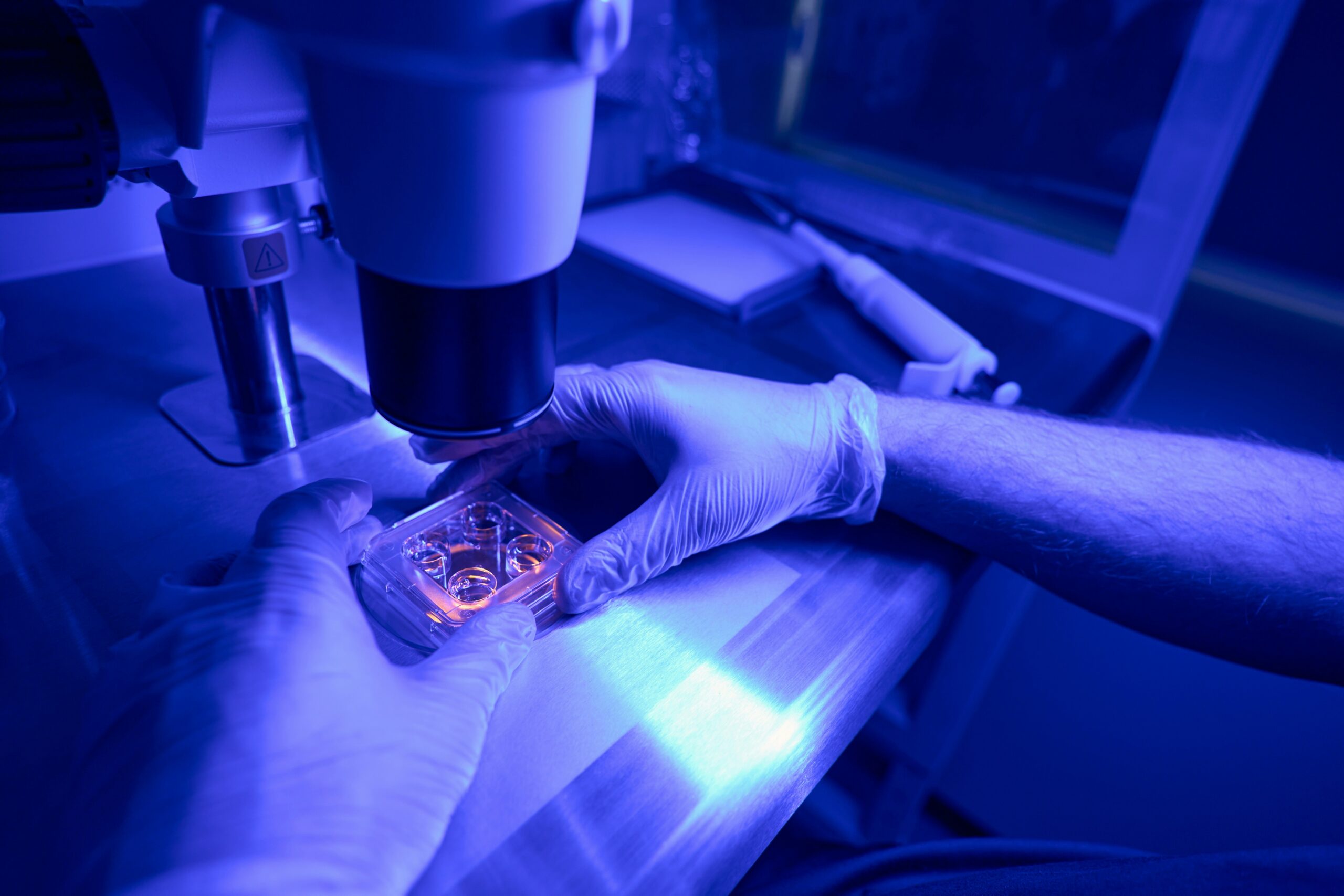
Healthcare stands at a turning point as new medical innovations reshape how people experience diagnosis, treatment, and recovery. Technology no longer plays a supporting role. Instead, it drives progress across every level of care. As a result, patients receive faster, more accurate, and highly personalized treatment. These advancements not only improve outcomes but also redefine what modern medicine can achieve.
Artificial Intelligence Leading Smarter Healthcare Decisions
Artificial intelligence continues to transform clinical decision-making. Doctors now rely on AI systems to analyze vast amounts of medical data within seconds. Therefore, they can identify patterns and detect diseases earlier than ever before. For instance, AI-powered imaging tools can highlight abnormalities in scans with remarkable accuracy.
Moreover, these systems support physicians by offering data-driven insights. Consequently, treatment plans become more precise and effective. As AI evolves, it will continue to strengthen diagnostic accuracy and improve patient care across various specialties.
Personalized Medicine: Tailoring Treatments to Individuals
Personalized medicine has gained significant momentum in recent years. Healthcare providers now use genetic information to design treatments that match each patient’s unique profile. Because of this approach, therapies deliver better results and reduce unwanted side effects.
In addition, targeted treatments allow doctors to address the root cause of diseases rather than only managing symptoms. As research continues, personalized medicine will expand into more areas, offering tailored solutions that improve long-term health outcomes.
Wearable Technology Encouraging Preventive Care
Wearable medical devices have changed how people monitor their health. Smartwatches and fitness trackers now collect real-time data, including heart rate, sleep quality, and physical activity. As a result, individuals can take a proactive approach to their well-being.
Furthermore, these devices share data with healthcare providers, which enables early intervention when issues arise. This shift toward preventive care reduces hospital visits and improves overall health management. Therefore, wearable technology plays a vital role in modern healthcare.
Telemedicine Expanding Access to Medical Services
Telemedicine has become an essential part of healthcare delivery. Patients can now consult doctors through video calls and digital platforms without leaving their homes. Consequently, access to care has improved, especially for people in remote areas.
In addition, telemedicine supports continuous care for chronic conditions. Patients can communicate regularly with their providers, which strengthens treatment adherence. As digital tools advance, telemedicine will continue to bridge gaps in healthcare access.
Robotic Surgery Enhancing Precision and Recovery
Robotic-assisted surgery has introduced a new level of precision in medical procedures. Surgeons control advanced systems that translate their movements into highly accurate actions. Therefore, operations become more controlled and efficient.
At the same time, robotic procedures support minimally invasive techniques. Patients experience less pain and recover faster compared to traditional surgery. As innovation continues, robotic systems will expand into more complex procedures, improving surgical outcomes.
3D Printing Revolutionizing Medical Solutions
3D printing has opened new possibilities in healthcare by enabling the customization of medical devices. Doctors can now design implants and prosthetics that fit each patient perfectly. As a result, comfort and functionality improve significantly.
Additionally, surgeons use 3D printed models to plan complex procedures. This preparation enhances accuracy and reduces surgical risks. Consequently, 3D printing continues to play a crucial role in advancing medical care.
Remote Monitoring Transforming Chronic Disease Management
Remote monitoring devices allow patients to track their health conditions from home. These tools collect data on blood pressure, glucose levels, and heart rate. Therefore, healthcare providers can monitor patients without frequent clinic visits.
Moreover, continuous data collection enables early detection of potential complications. Doctors can adjust treatments quickly, which improves long-term outcomes. As technology evolves, remote monitoring will become even more integrated into daily healthcare.
Biotechnology Driving Breakthrough Treatments
Biotechnology continues to push the boundaries of what medicine can achieve. Scientists now develop therapies that target diseases at a molecular level. As a result, treatments become more effective and precise.
In addition, advancements in gene editing offer new hope for treating genetic disorders. These technologies enable researchers to modify DNA, opening the door to long-term solutions precisely. Therefore, biotechnology remains a key driver of medical innovation.
Data Integration: Creating Connected Healthcare Systems
Healthcare systems are becoming more connected through data integration. Information from various devices and platforms now comes together to provide a complete view of patient health. Consequently, doctors can make better-informed decisions.
Furthermore, integrated data improves coordination among healthcare providers. This approach ensures that patients receive consistent and efficient care. As connectivity improves, healthcare systems will become more responsive and patient-focused.
Looking Ahead at the Future of Medicine
The future of medicine promises even greater advancements as technology continues to evolve. Innovations will focus on prevention, personalization, and efficiency. Patients will gain more control over their health, supported by intelligent systems that provide real-time insights.
At the same time, maintaining data security and ethical standards will remain essential. Healthcare providers must balance innovation with responsibility to build trust. Nevertheless, the direction of progress remains clear.
Medical innovation continues to transform every aspect of healthcare. These advancements improve outcomes, expand access, and empower patients to take an active role in their well-being. As the future unfolds, medicine will become more precise, connected, and effective than ever before.