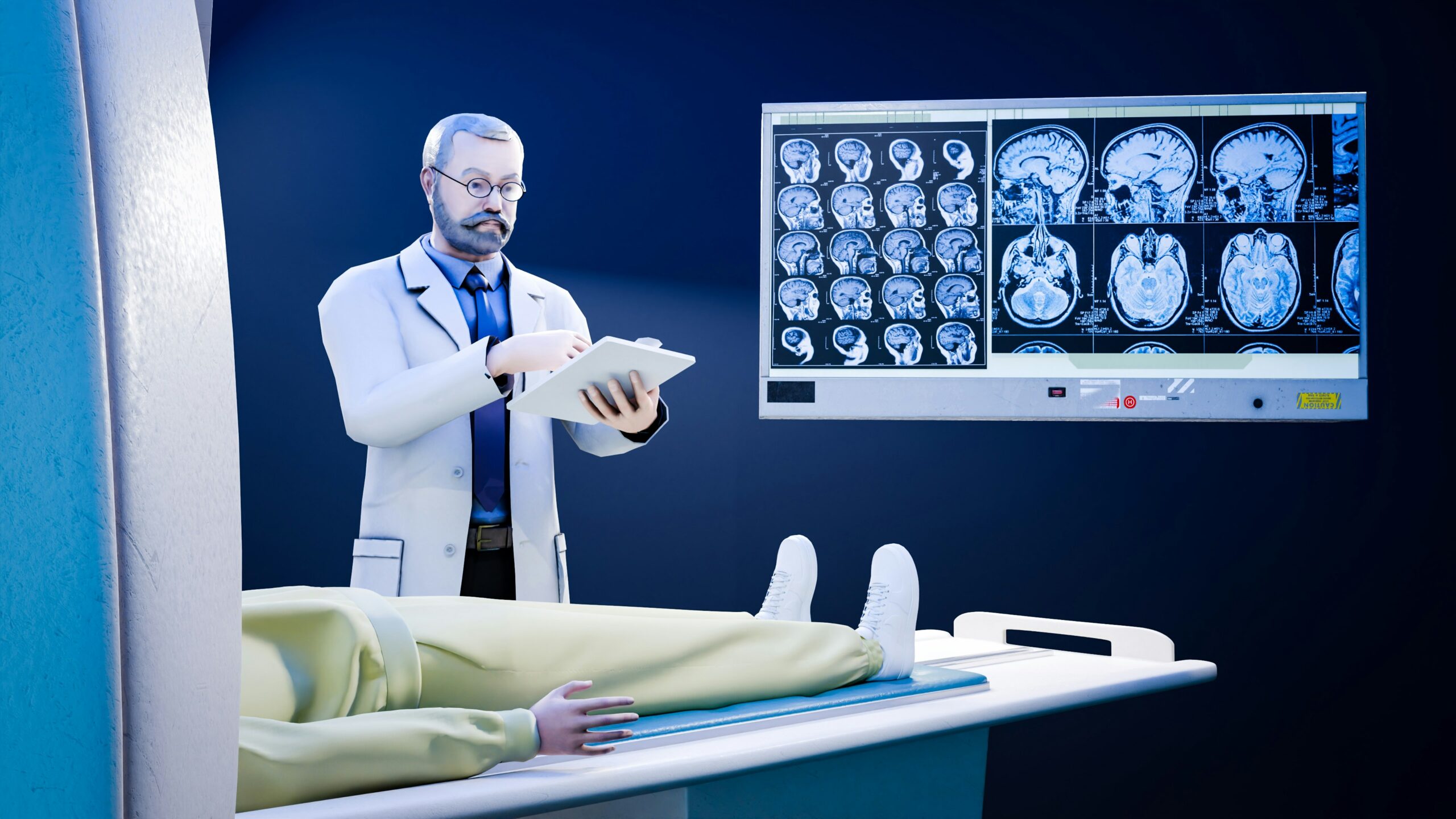
The integration of medical technology into healthcare practice is changing how doctors and clinics work every day. In the past, many tasks were done by hand, which took time and effort. Paper records, manual tests, and long waiting times were common. Today, modern tools help doctors work faster and more accurately. These tools include digital records, smart devices, and online systems. They improve patient care and reduce errors. Many healthcare providers now want to add new technology to their practice. However, the process can feel confusing at first. It requires planning, training, and careful decisions. When done right, it can improve both patient outcomes and staff efficiency. It also helps clinics stay competitive in a fast-changing world. Doctors can give better care when they use the right tools. This makes medical technology an important part of modern healthcare practice.
Understanding the Needs of Your Practice Before Adopting Technology
Before adding new tools, it is important to understand your practice’s needs. Every clinic or hospital is different. Some may need better patient records, while others may need advanced diagnostic tools. Start by reviewing daily tasks and finding areas that take too much time. Look at where errors happen often. These areas can benefit the most from new technology. Talk with your staff to learn about their challenges. Their input can help you choose the right tools. It is also important to consider your patient’s needs. For example, older patients may prefer simple systems, while younger patients may expect digital services. Budget is another key factor. You must choose tools that fit your financial plan. Do not rush into buying expensive systems without proper research. A clear plan will help you make smart choices. This step ensures that the technology you adopt truly adds value to your practice.
Training Staff to Use New Medical Tools Effectively
Adding new technology is not enough on its own. Staff must know how to use it properly. Training is a key part of successful adoption. Without proper training, even the best tools can fail. Start with simple and clear training sessions. Break down each feature step by step. Allow staff to practice using the tools in a safe environment. Encourage questions and provide support when needed. It is also helpful to assign a team member as a technology guide. This person can help others solve problems quickly. Regular updates and refresher sessions are also important. Technology changes fast, so learning should be ongoing. When staff feel confident, they work more efficiently. This leads to better patient care and smoother operations. Training also reduces stress and resistance to change. A well-trained team can fully benefit from new medical technology.
Improving Patient Care with Digital Health Solutions
Modern tools have a direct impact on patient care. Digital systems make it easier to store and access patient records. Doctors can review medical history quickly and make better decisions. Online appointment systems reduce waiting times and improve patient flow. Telemedicine allows patients to consult doctors from home. This is very helpful for those who live far away or have mobility issues. Wearable devices can track patient health in real time. This helps doctors monitor conditions and act early when needed. These changes improve the patient experience. They feel more connected and cared for. Clinics can also manage more patients without losing quality. The use of digital healthcare solutions for clinics supports faster service and better outcomes. It helps build trust between patients and healthcare providers. This trust is key to long-term success in any medical practice.
Ensuring Data Security and Patient Privacy
With the use of technology, data security becomes very important. Medical records contain sensitive information that must be protected. Clinics must follow strict rules to keep patient data safe. Start by using secure software with strong encryption. Limit data access based on staff roles. Only authorized people should view or edit patient records. Regular system updates help protect against cyber threats. It is also important to train staff about data safety. They should know how to handle information carefully. Avoid using weak passwords or sharing login details. Backup systems are also necessary to prevent data loss. In case of a system failure, you should still have access to important records. Patients trust you with their personal information. Protecting that trust is a top priority. Strong security measures ensure that your practice remains safe and reliable.
Managing Costs and Choosing the Right Technology
Cost is a major factor when adding new tools to your practice. Not all technology is affordable, and not all of it is necessary. Start by setting a clear budget. Focus on tools that offer the most value. Compare different options before making a decision. Look at both short-term and long-term costs. Some systems may seem cheap at first, but require expensive maintenance later. Others may cost more upfront but save money over time. It is also helpful to check reviews and case studies. Learn from other practices that have used similar tools. This can help you avoid common mistakes. Always choose technology that matches your goals and needs. Do not follow trends without proper evaluation. Smart choices lead to better results and fewer problems. Managing costs wisely ensures that your investment brings real benefits.
Healthcare providers must also think about future growth when adopting technology. The use of smart medical technology adoption strategies can help practices stay ready for change. Choose systems that can expand as your practice grows. Flexible tools allow you to add new features when needed. This saves time and money in the long run. It also helps you stay up to date on new trends in healthcare. Technology should support your goals, not limit them. Planning for the future makes your practice stronger and more stable. It allows you to serve more patients and offer better services. At the same time, always prioritize patient care as the primary goal. Technology is a tool to support that goal. When used wisely, it can transform your practice into a modern and efficient healthcare system.