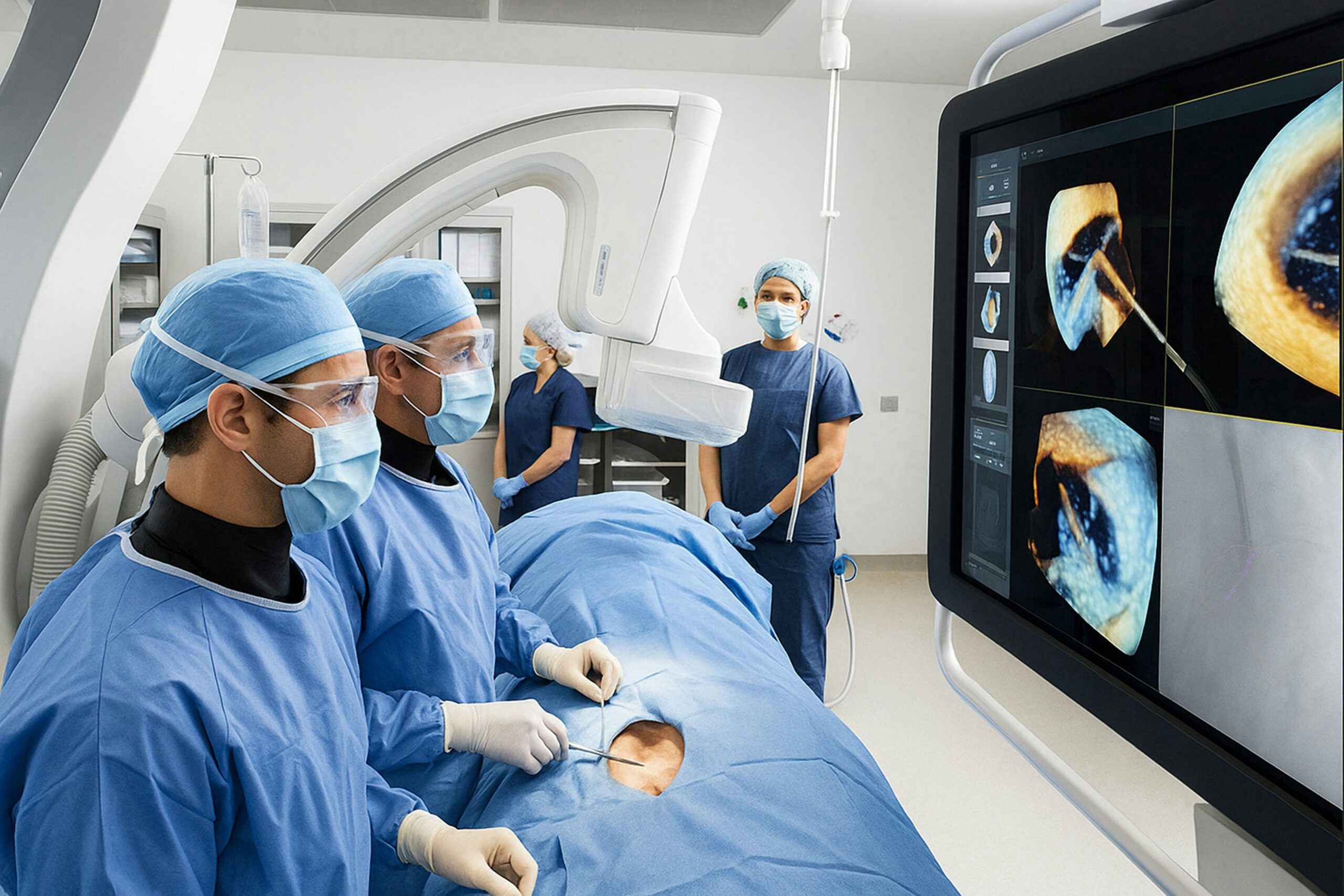
Healthcare is changing fast, and medical technology is leading that change. New tools, smarter systems, and advanced treatments are helping doctors save lives in ways that once seemed impossible. From early disease detection to robotic surgery, these breakthroughs are improving patient care every day. As a result, hospitals can treat patients more quickly, reduce errors, and improve recovery.
Today, groundbreaking medical technology does more than support doctors. It often helps guide decisions, improve precision, and prevent serious health problems before they grow worse. Moreover, patients now have access to care that is more personal, more accurate, and often less invasive. This shift is changing how people experience medicine.
Artificial Intelligence Is Improving Diagnosis
Artificial intelligence has become one of the most important tools in modern medicine. It helps doctors analyze large amounts of medical data more quickly. As a result, healthcare providers can spot diseases earlier and begin treatment sooner. In many cases, early detection can save lives.
For example, AI-powered imaging systems can identify signs of cancer, stroke, and heart disease with impressive speed. These tools help radiologists review scans more efficiently while reducing the chance of missed findings. In addition, AI can support emergency teams by helping prioritize urgent cases. Because of these advances, patients often receive faster answers and quicker treatment.
AI also helps improve predictive care. By studying patterns in patient records, these systems can identify risks before symptoms appear. Therefore, doctors can intervene early and reduce complications. This preventive approach is changing healthcare from reactive treatment to proactive care.
Robotic Surgery Is Raising Precision
Surgical technology has advanced in remarkable ways, and robotic systems are a major part of that progress. These tools allow surgeons to perform highly precise procedures using smaller incisions. As a result, patients often experience less pain and shorter recovery times.
Robotic-assisted surgery is now used in heart procedures, cancer treatment, and orthopedic care. Surgeons can control robotic arms with exceptional accuracy, even in delicate operations. Furthermore, enhanced imaging allows them to see surgical areas in greater detail. This level of precision can lower complications and improve outcomes.
Patients also benefit from shorter hospital stays. Since minimally invasive procedures often reduce trauma to the body, recovery tends to move faster. In addition, the risk of infection may decrease. These improvements show how groundbreaking medical technology continues to save lives while improving the quality of care.
Wearable Devices Are Supporting Real-Time Health Monitoring
Wearable health technology has moved far beyond simple fitness tracking. Today, many devices monitor heart rhythms, oxygen levels, blood pressure, and even sleep patterns. Because these tools continuously collect data, they can help detect health issues before they become emergencies.
For patients with chronic conditions, this technology offers valuable support. A wearable heart monitor, for instance, can alert users and doctors to irregular rhythms that may signal serious problems. As a result, treatment can begin earlier. This kind of monitoring can be especially helpful for preventing strokes or cardiac events.
These devices also support remote patient care. Doctors can review health data remotely and adjust treatment plans without requiring frequent office visits. Therefore, patients gain convenience while receiving consistent oversight. In many communities, this technology is expanding access to life-saving care.
Telemedicine Is Expanding Access to Treatment
Telemedicine has changed how patients connect with healthcare providers. Through secure video visits and digital platforms, people can now receive medical advice from home. This has improved access, especially for those in rural or underserved areas.
Many patients now use telemedicine for follow-up care, chronic disease management, and mental health support. Because appointments are easier to schedule, people often seek care sooner. Early treatment can prevent worsening illness, which may improve long-term outcomes.
Telemedicine also supports emergency response. In some cases, specialists can assist local providers during critical moments, even from far away. Furthermore, digital consultations can reduce diagnostic delays. This makes telemedicine another example of medical technology saving lives through faster, broader access to care.
Advanced Imaging Is Making Disease Easier to Detect
Modern imaging technology has transformed diagnosis. High-resolution MRI scans, advanced CT systems, and innovative ultrasound tools help doctors see the body with extraordinary clarity. As a result, diseases can often be found earlier than before.
Earlier detection often leads to better outcomes. For example, detecting tumors at an early stage can improve treatment outcomes. Likewise, detailed imaging can detect heart problems before they lead to serious events. Because of this, imaging remains a critical part of life-saving healthcare innovation.
New imaging tools are also becoming faster and safer. Some systems reduce radiation exposure while still delivering accurate results. In addition, artificial intelligence is helping interpret images more efficiently. Together, these advances support better diagnosis and more informed treatment decisions.
Personalized Medicine Is Changing Treatment Plans
One of the most exciting shifts in healthcare involves personalized medicine. Instead of applying the same treatment to every patient, doctors can tailor care to individual needs. This approach often uses genetic data, lifestyle factors, and health history to guide decisions.
In cancer care, personalized medicine has made a major impact. Some treatments now target specific genetic mutations rather than attacking all cells indiscriminately. Because of this, therapies may work better while causing fewer side effects. Patients often benefit from more precise treatment plans.
This approach is also shaping preventive care. By understanding inherited risks, doctors can recommend screenings or interventions earlier. Therefore, personalized medicine not only treats illness but may help prevent it. It represents a major step forward in revolutionary healthcare technology.
Smart Implants and Medical Devices Are Enhancing Survival
Implantable devices have become more advanced and more responsive. Pacemakers, insulin pumps, and neurostimulators now use smarter technology to monitor and adjust treatment in real time. These tools help manage serious conditions while improving daily life.
For heart patients, modern pacemakers can do far more than regulate rhythm. Some devices monitor heart activity continuously and send alerts when changes occur. As a result, doctors may detect problems earlier and respond more quickly.
Similarly, smart insulin delivery systems help people with diabetes maintain safer blood sugar levels. These devices reduce guesswork and support better long-term health. In many cases, they help prevent dangerous emergencies. This is another powerful example of medical technology saving lives.
Regenerative Medicine Is Opening New Possibilities
Regenerative medicine is ushering in a new era in healthcare. Treatments involving stem cells, tissue engineering, and regenerative therapies aim to repair damaged tissues rather than manage symptoms. This field continues to grow, and its impact could be profound.
Some therapies are already helping patients recover from injuries or severe diseases. Researchers are exploring ways to restore heart tissue, repair nerves, and even grow replacement tissues. Although many applications are still developing, progress has been remarkable.
Moreover, regenerative medicine may reduce dependence on organ transplants in the future. If damaged tissue can be restored, patients may have new options for survival and recovery. This emerging field reflects the power of groundbreaking medical innovation.