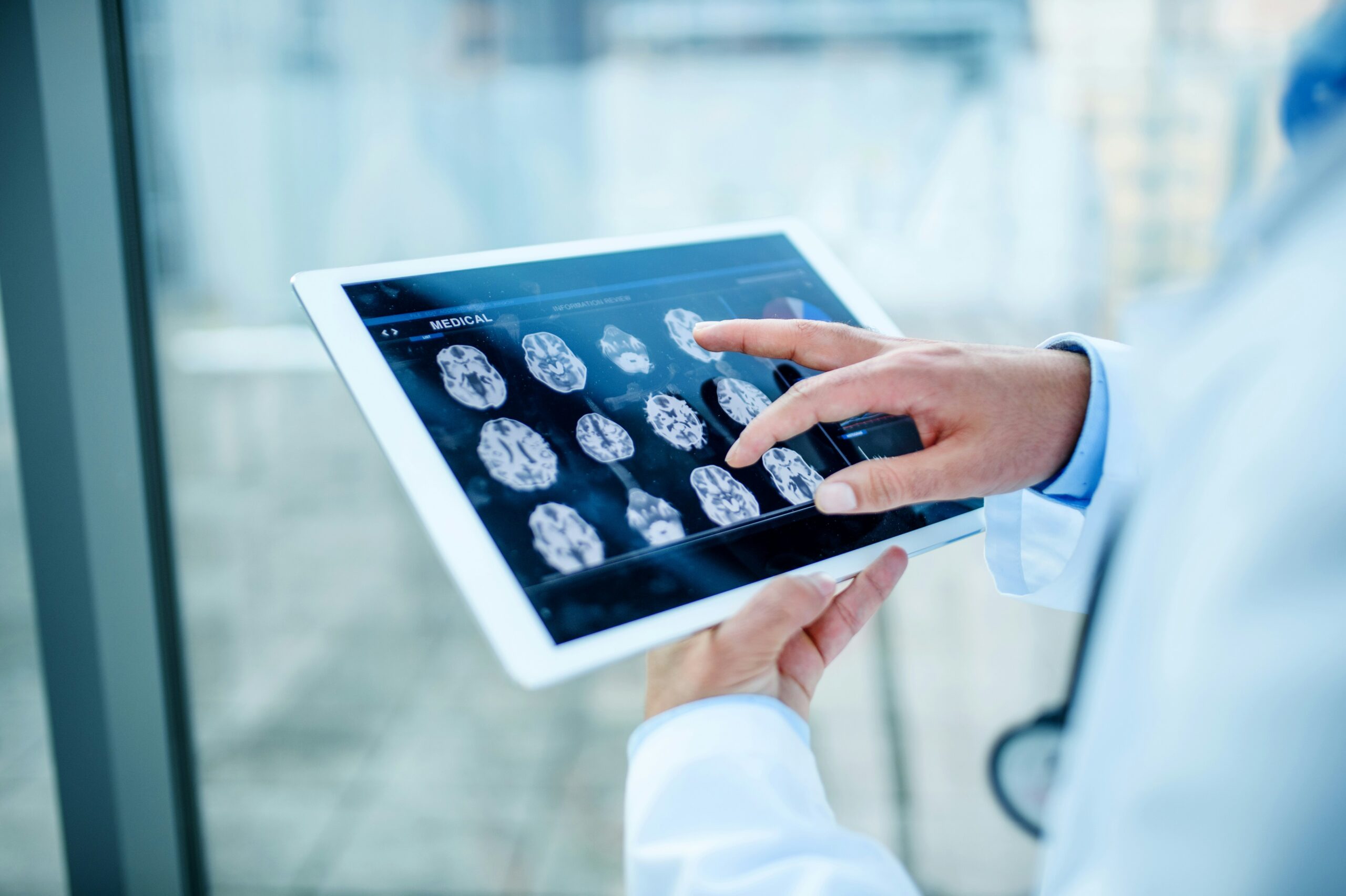
Medical technology is changing healthcare faster than ever before. Today, healthcare professionals rely on advanced tools, digital systems, and intelligent devices to improve patient care and clinical outcomes. Moreover, innovations in artificial intelligence, robotics, and wearable technology are reshaping the medical field in remarkable ways. As a result, doctors, nurses, and healthcare administrators must stay informed about these advancements to remain competitive and effective in their roles.
At the same time, patients now expect faster diagnoses, personalized treatments, and more convenient healthcare services. Consequently, hospitals and clinics are investing heavily in modern medical technologies to meet these growing expectations. From telemedicine platforms to robotic surgeries, the future of healthcare promises increased efficiency, accuracy, and accessibility for both providers and patients.
Artificial Intelligence in Healthcare
Artificial intelligence is becoming one of the most powerful tools in modern medicine. For example, AI-powered systems can analyze medical images, detect diseases, and recommend treatment plans with impressive accuracy. Furthermore, machine learning algorithms help healthcare professionals identify patterns in patient data, enabling faster, more informed clinical decisions. Because of these capabilities, AI is improving diagnostic accuracy while reducing human error.
In addition, AI is transforming administrative processes within healthcare organizations. Hospitals now use intelligent software to manage patient scheduling, automate documentation, and streamline billing systems. As a result, healthcare workers can spend more time focusing on patient care rather than paperwork. Meanwhile, predictive analytics tools help medical facilities prepare for patient demand and optimize resource allocation effectively.
Telemedicine and Remote Patient Care
Telemedicine has rapidly become a vital part of healthcare delivery. Thanks to video consultations and remote monitoring systems, patients can now receive medical attention without visiting a hospital or clinic. Moreover, telehealth services improve access to care for individuals living in rural or underserved areas. Consequently, healthcare providers can expand their reach and deliver timely treatment to more patients.
At the same time, wearable medical devices are making remote patient monitoring more effective than ever before. Smartwatches, glucose monitors, and heart-rate tracking devices continuously collect health data and send real-time updates to healthcare professionals. Therefore, doctors can detect potential health problems earlier and respond quickly to emergencies. Additionally, remote monitoring reduces hospital readmissions and supports long-term disease management.
Robotics and Advanced Surgical Procedures
Robotic technology is revolutionizing surgical procedures across the healthcare industry. Today, surgeons use robotic-assisted systems to perform complex operations with greater precision and control. Furthermore, these advanced machines enable minimally invasive procedures, often resulting in smaller incisions and faster recovery times. Because of these benefits, patients experience less pain and shorter hospital stays after surgery.
Meanwhile, robotics is also improving rehabilitation and patient support services. Robotic exoskeletons help patients regain mobility after injuries or strokes, while automated systems assist healthcare workers with repetitive tasks. As a result, hospitals can improve efficiency while reducing physical strain on medical staff. In the future, robotic technology will likely become even more integrated into everyday healthcare practices.
Personalized Medicine and Genetic Technology
Personalized medicine is changing the way healthcare professionals treat diseases. Instead of using a standard treatment approach for every patient, doctors can now create customized therapies tailored to each patient’s genetic profile. Moreover, advancements in genetic testing help identify disease risks before symptoms appear. Consequently, healthcare providers can focus more on prevention and early intervention.
Additionally, gene-editing technologies such as CRISPR are opening new possibilities for treating inherited disorders and chronic illnesses. Scientists continue to explore how genetic modifications can eliminate certain diseases at their source. Although ethical concerns still exist, these breakthroughs have the potential to transform healthcare dramatically. Therefore, medical professionals must understand both the opportunities and challenges associated with genetic medicine.
Cybersecurity and Data Protection in Healthcare
As healthcare systems become more digital, cybersecurity is becoming increasingly important. Hospitals and clinics store massive amounts of sensitive patient information, making them attractive targets for cybercriminals. Therefore, healthcare organizations must invest in strong security measures to protect confidential medical records. Furthermore, data breaches can erode patient trust and result in serious legal consequences.
At the same time, healthcare professionals must receive proper training on digital safety practices. Simple actions such as using secure passwords and recognizing phishing attempts can significantly reduce security risks. Additionally, advanced encryption technologies and cloud-based security systems are helping organizations improve data protection. As healthcare technology continues to evolve, cybersecurity will remain a critical priority for the entire industry.
The future of medical technology offers exciting opportunities for healthcare professionals worldwide. Innovations in artificial intelligence, telemedicine, robotics, and genetic medicine are transforming patient care and improving healthcare efficiency. Moreover, these advancements are helping providers deliver faster, safer, and more personalized treatments than ever before.
However, adapting to new technologies also requires continuous learning and responsible implementation. Healthcare professionals must stay informed about emerging trends while maintaining ethical standards and patient privacy. Ultimately, those who embrace innovation and technological progress will play a vital role in shaping the future of modern healthcare.